![[:en]Stem cells and type 2 diabetes[:km]ស្តឹមសែលនិងជម្ងឺទឹកនោមផ្អែមប្រភេទទី២[:]](https://demo.rescennt.com/wp-content/uploads/2020/01/maxresdefault.jpg)
by rescent | មករា 16, 2020 | Diseases
[:en]
This video will talk about stem cell and diabetes.
How the stem cells help to improve the diabetes?
Stem cells can help to repair and renew all of the cells in the body. Especially pancreas which is the main reason cause of diabetes. Besides that, stem cells can also help to repair the eyes, the blood vessels of the heart, the brain cells, the nervous system and kidney of the diabetes patient.
Let’s see how the stem cells help to improve the health of the diabetes patient?
Firstly, the stem cells go and repair the pancreas. Inside the pancreas, there is one kind of cell called beta cell which is responsible for the release of the hormone called insulin. The hormone insulin is released when the sugar level in the blood is high. The insulin can stimulate the receptor of the cell and let the cell take the glucose from the blood and let the cell function.
When the beta cells cannot function well because of the diabetes, the insulin and glucose level in the blood is imbalanced. It makes the glucose level in the blood increase and make the diabetes more worse. Stem cells can repair the beta cells in the pancreas. So the beta cells can function normally and produce the insulin again. When the insulin and glucose level is balanced, many diseases that happened because of the high blood sugar can be better and treated.
Stem cells can repair not only the pancreas but also the eyes of the diabetes patient.
Because most of the problems of the eyes come from high blood sugar.
High blood sugar level makes the blood vessels in the eye weak and it can make the blood vessels burst. When the blood vessels burst, the blood will be coming out and make the vision of the diabetes blurred and finally blind.
For the stem cells, they can make the blood vessels of the eye stronger and prevent from the burst of the blood vessels.
Besides the eyes, stem cells can also help the heart and the brain of the diabetes patient.
High blood sugar in the blood can make the blood vessels of the heart burst and poor the blood circulation of the heart. So the muscle of the heart cannot function very well. When the condition is more serious, the dead of the heart muscle can happen. ( Ischemia)
Also the same in the brain. When the blood vessels of the brain burst because of the high blood sugar, the blood will come out into the brain and if more serious, it can make patient dead.
Stem cells has the ability to repair the blood vessels of the heart and the brain.
Moreover, stem cells can also help to repair the nervous system of the diabetes patient.
There are a lot of blood vessels on the surface of the nerves. When the blood vessels of the nerve have problem because of the diabetes, the patient will have the feeling of pain and numbness at the feet and fingers. So the patient will not have any feeling when he has wound at these areas. He will not take care of the wound since there is no sensation. Finally, the patient will reach the stage of amputation ( Cut of the extremities of the hand and foot)
When the stem cells repair the blood vessels of the nerves, that means that the nervous system is also been repaired. The numbness and the pain sensation will also get better and improved.[:km]
តើស្តឹមសែលជួយធ្វើឱ្យប្រសើរឡើងនូវជំងឺទឹកនោមផ្អែមយ៉ាងដូចម្តេច?
ស្តឹមសែលអាចជួយជួសជុលនិងបង្កើតកោសិកាថ្មីទាំងអស់នៅក្នុងខ្លួន។ ជាពិសេសលំពែងដែលជាមូលហេតុចម្បងនៃជំងឺទឹកនោមផ្អែម។ ក្រៅពីនេះស្តឹមសែលក៏អាចជួយជួសជុលភ្នែក សរសៃឈាមបេះដូង កោសិកាខួរក្បាល ប្រព័ន្ធសរសៃប្រសាទនិងតម្រងនោមរបស់អ្នកជំងឺទឹកនោមផ្អែមផងដែរ។
សូមមើលតើស្តឹមសែលជួយធ្វើឱ្យសុខភាពអ្នកជម្ងឺទឹកនោមផ្អែមប្រសើរឡើងយ៉ាងដូចម្តេច?
ជាដំបូងស្តឹមសែលទៅនិងជួសជុលលំពែង។ នៅខាងក្នុងលំពែងមានកោសិកាមួយប្រភេទដែលគេហៅថាកោសិកាបេតាដែលទទួលខុសត្រូវចំពោះការបញ្ចេញអរម៉ូនដែលគេហៅថាអាំងស៊ុយលីន។ អាំងស៊ុយលីនអ័រម៉ូនត្រូវបានបញ្ចេញនៅពេលកម្រិតជាតិស្ករក្នុងឈាមឡើងខ្ពស់។ អាំងស៊ុយលីនអាចរំញោចការទទួលរបស់កោសិកានិងអនុញ្ញាតឱ្យកោសិកាស្រូបយកជាតិស្កចេញពីឈាមនិងអនុញ្ញាតឱ្យកោសិកាដំណើរការបាន។
នៅពេលកោសិកាបេតា មិនអាចដំណើរការបានល្អដោយសារជំងឺទឹកនោមផ្អែម កម្រិតអាំងស៊ុយលីននិងជាតិស្កក្នុងឈាមមិនមានតុល្យភាព។ វាធ្វើអោយកំរិតជាតិស្កក្នុងឈាមកើនឡើងនិងធ្វើអោយទឹកនោមផ្អែមកាន់តែធ្ងន់ធ្ងរ។ ស្តឹមសែលអាចជួសជុលកោសិកាបេតាក្នុងលំពែង។ ដូច្នេះកោសិកាបេតា អាចដំណើរការបានធម្មតានិងផលិតអាំងស៊ុយលីនម្តងទៀត។ នៅពេលកម្រិតអាំងស៊ុយលីននិងគ្លុយកូសមានតុល្យភាពជំងឺជាច្រើនដែលបានកើតឡើងដោយសារតែជាតិស្ករក្នុងឈាមខ្ពស់អាចបានប្រសើរឡើងនិងព្យាបាលបាន។
ស្តឹមសែលអាចជួសជុលមិនត្រឹមតែលំពែងប៉ុណ្ណោះទេប៉ុន្តែថែមទាំងភ្នែករបស់អ្នកជំងឺទឹកនោមផ្អែមទៀតផង។
ដោយសារតែបញ្ហាភ្នែកភាគច្រើនកើតចេញពីជាតិស្ករក្នុងឈាមខ្ពស់។ ៨) កម្រិតជាតិស្ករក្នុងឈាមខ្ពស់ធ្វើឱ្យសរសៃឈាមក្នុងភ្នែកខ្សោយហើយវាអាចធ្វើឱ្យសសៃឈាមបែកផងដែរ។ នៅពេលដែលសសៃឈាមបែកឈាមនឹងចេញមកហើយធ្វើឱ្យគំហើញនៃជំងឺទឹកនោមផ្អែមស្រអាប់ហើយទីបំផុតពិការភ្នែក។
ចំពោះស្តឹមសែលពួកគេអាចធ្វើឱ្យសរសៃឈាមភ្នែកកាន់តែរឹងមាំនិងការពារពីការដាច់សរសៃឈាម។
ក្រៅពីភ្នែកកោសិកាដើមក៏អាចជួយបេះដូងនិងខួរក្បាលរបស់អ្នកជំងឺទឹកនោមផ្អែមបានដែរ។
ជាតិស្ករក្នុងឈាមខ្ពស់អាចធ្វើឱ្យសរសៃឈាមបេះដូងស្ទះនិងធ្វើឱ្យលំហូរឈាមទៅកាន់បេះដូងចុះខ្សោយ។ ដូច្នេះសាច់ដុំបេះដូងមិនអាចដំណើរការបានល្អទេ។ នៅពេលដែលស្ថានភាពកាន់តែធ្ងន់ធ្ងរ សាច់ដុំបេះដូងអាចស្លោកឬស្លាប់កើតឡើង។
ដូចគ្នាដែរនៅក្នុងខួរក្បាល។ នៅពេលដែលសសៃឈាមខួរក្បាលផ្ទុះឡើងដោយសារតែជាតិស្ករក្នុងឈាមខ្ពស់ឈាមនឹងហូរចូលខួរក្បាលហើយបើធ្ងន់ធ្ងរជាងនេះវាអាចធ្វើឱ្យអ្នកជំងឺស្លាប់បាន។
ស្តឹមសែលមានសមត្ថភាពជួសជុលសសៃឈាមបេះដូងនិងខួរក្បាល។
ម្យ៉ាងទៀតកោសិកាដើមក៏អាចជួយជួសជុលប្រព័ន្ធសរសៃប្រសាទរបស់អ្នកជំងឺទឹកនោមផ្អែមបានដែរ។
មានសរសៃឈាមច្រើននៅលើផ្ទៃសរសៃប្រសាទ។ នៅពេលដែលសរសៃឈាមរបស់សរសៃប្រសាទមានបញ្ហាដោយសារតែជំងឺទឹកនោមផ្អែមអ្នកជំងឺនឹងមានអារម្មណ៍ឈឺចាប់និងស្ពឹកនៅជើងនិងម្រាមដៃ។ ដូច្នេះអ្នកជំងឺនឹងមិនមានអារម្មណ៍អ្វីទេនៅពេលដែលគាត់បានរងរបួសនៅតំបន់ទាំងនេះ។ គាត់នឹងមិនថែរក្សាមុខរបួសទេព្រោះគាត់គ្មានអារម្មណ៍ដឹង។ ទីបំផុតអ្នកជំងឺនឹងឈានដល់ដំណាក់កាលនៃការកាត់ចេញ (កាត់ចុងដៃនិងជើង)
នៅពេលស្តឹមសែលជួសជុលសរសៃឈាមរបស់សរសៃប្រសាទនោះមានន័យថាប្រព័ន្ធសរសៃប្រសាទក៏ត្រូវបានជួសជុលផងដែរ។ ស្ពឹកនិងអារម្មណ៍ឈឺចាប់ក៏នឹងកាន់តែប្រសើរឡើងនិងប្រសើរឡើងដែរ។[:]
![[:en]What is stem cell[:km]តើអ្វីជាស្តឹមសែល[:]](https://demo.rescennt.com/wp-content/uploads/2020/01/a-1.jpg)
by rescent | មករា 16, 2020 | Diseases
[:en]
What is Stem Cell
Introduction to “Stem Cell”
 Since Stem Cell was introduced in 1961. It was the important discovery on the repairing and replacing died or damaged cells which applied the similarities to all living species. The enormous expectations on stem cells of extending human lives become more and more realistic. This article will introduce us to different kinds of stem cells, its characteristic, development processes, the potential benefits and its sources.
Stem cells can be classified as follow;
Totipotent Stem Cell They are high potential cells that can develop into any cells found in human body. These are the cells that create organism in human body, can be found in a very first stage after fertilization call Zygote.
Pluripotent Stem Cell They are also high potential cells found after blastocyst that develop cells into smaller group. Pluripotent stem cell or embryonic stem cell can develop into almost any cells found in the body but they don’t develop to a complete organism.
Multipotent Stem Cell The cells developed to more specific type. The potential development to other cells become more specific and less variety. It’s also knew as Adult Stem Cell.
Table of Stem Cell Types
| Source |
Potential |
Type of cell |
| Zygote |
Totipotent |
— |
| Blastocyst |
Pluripotent |
Embryonic SC |
| Adult |
Multipotent |
Multipotent SC |
| Organ |
Limit potential |
Progenitor |
The different of “Stem Cell” Vs “Progenitor Cell”
The division of cells differentiate stem cell from progenitor cell.
- Symmetry is the division when 1 stem cell divides 2 new stem cells
- Asymmetry is 1 stem cell divides 1 stem cell and 1 specific cell while 1 Progenitor cell divides new 2 specific cells.
The special characteristics of Embryonic Stem Cell (ESC)
- Its origin can be found before or during the implantation of embryo.
- Self-renewal means the division of embryonic would be getting the same type.
- Pluripotency means the transplantation of embryonic stem cells (ESC) would be harvesting all 3 layers of embryonic germ layer.
Source of immage : www.cancer.gov
The special characteristics of Adult Stem Cell
- Self-renewal means cells can also be continual their division for the stem cell.
- Remaining in the undifferentiated state
- Differentiation potential to be a specialized cell
Sources of Adult Stem Cell
Normally, stem cells can be found in every part of the body. They responsible on repairing the damaged cells or replacing the death cells. The growing of hair and nail also the construction of stem cells. However, in difference part of the body, different types and number of stem cells are found. The following list is the sources where stem cells can be found more than other places.
- Cord Blood
- Skin
- Peripheral Blood
- Placenta and umbilical cord
- Adipose tissue
- Baby teeth
- Liver
Cord Blood
Cord blood is an enriched source of Hematopoietic stem cell where Small number of T Cells can be found. A matter in number of T cells would lower the risk of GvHD (Graft versus Host Disease). However, there is only limited amount of approx. 80-200 ml in each umbilical cord depending on the pregnancy term and weight of infant. The amount from the collection also affected by the skill of collector and other risks such as placenta previa. The collection during the delivery can be done either before or after the separation of the cord.The good point on transplantation of cord blood is the restriction on HLA typing for allogenic usage could allow matching error for 2 decimal points. If necessary, 3 decimal points can be approved via doctor’s consideration.
Peripheral Blood Stem Cell
Peripheral blood is biggest source for all types of stem cell therefore the collection which can be done intravascularly has been developed more than from other sources. To increase ability on harvesting, G-CSF (Granulocyte Colony Stimulating Factor) or GM-CSF (Granulocyte Microphang Colony Stimulating Factor) could be injected subcutaneously 4 days before the collection via Apheresis machine. (Normally G-CSF works better than GM-CSF) There are an important caution on the usage of G-CSF. If number of white blood cells raise higher than 35×10 9L then should consider reduce G-CSF given and stop if raise up to 50×10 9L.Stem cells harvest from peripheral blood normally enough for the usage. There are also an enriched source of T Cells which would result on the restriction on HLA typing of 6 decimal points for allogenic usage.
Adipose Tissue
An enrich source of Mysenchymal Stem Cell (MSC) which is around 5%. To get MSC from adipose tissues normally uses enzyme to digest other cells then will be processed in centrifuge for the separation.MSC is the earlier stage of Ectoderm and Mesoderm which mean MSC can transform themselves to any cells categorised in both groups. The experiments have been trying for treatment of human nerves system, using MSC on repairing of neuron which developed from the cells in ectoderm. However, the usage of MSC for the cells developed from mesoderm such as bone and its joint, tendon
Baby Teeth
Another source that we can find stem cell is 6 front of the baby teeth and the wisdom teeth. Stem cells harvesting from teeth can be done approx. 48-72 after they are removed and simply place them in an instant kit. However, if the instant kit has not been prepared, the teeth might be soaking in unflavored milk then keep them at 4°C. For the laboratory processes of separation can be done using the same principle with Adipose tissue. For the teeth, bone area will be disintegrated, only nerve inside pulp cavity is where a small number of MSC are found. Therefore after the harvesting, those stem cells from teeth need to go through the laboratory for their nutrition to stimulate and transplantation to increase number of cells
Stem Cells from other sources
Keep eyes on interesting sources such as infant’s liver, skin, cord, Wharton’s jelly and amniotic fluid where they referred to many interesting experiments. For example, the transformation of the stem cell from skin to cornea or the treatment for repairing the vocal fold.
Characteristics of Regenerative Cell
- Homing: ability to travel to where cells were infected or needed of the repairing or replacing.
- Differentiation: the ability to transform to the specific cells
- Trophic support : ability of secretion different kind of substances such as Cytokine and Growth factor for tissue regenerative.
- Anti-inflammation: ability to reduce the inflammation.
- Neo-vascularization: ability to secrete important growth factors for the new blood vessels and solve the problems about scar tissue
- Anti-apoptosis: ability to reduce the number of death cells in the area
Treatment areas could affect the collection and the transplantation of stem cells. Even the treatments are for the same lesions could give various results which mean all factors surrounding the area of treatment are highly sensitive to the cells and require maximum care in the method of treatments even those treatments are for the same disease. These are the reasons attract worldwide attention to continuously develop with so many researches and clinical trials are going for all types stem cell’s treatments. However, in whatever way the treatments are done, controlling in the way of autologous is still the safest way for all living species.
For more info please click here
[:km]ការណែនាំអំពី “ស្តឹមសែល”
កោសិកាដើម(ស្តឹមសែល) ត្រូវបានគេណែនាំអោយប្រើនៅឆ្នាំ១៩៦១។វាជាការរកឃើញដ៏សំខាន់នៅលើការជួសជុលនិងការជំនួសកោសិកាដែលបានស្លាប់ឬខូចដែលបានអនុវត្តភាពស្រដៀងគ្នាទៅនឹងប្រភេទសត្វដែលរស់នៅទាំងអស់។ ការរំពឹងទុកដ៏ធំសម្បើមលើកោសិកាដើមនៃពន្យាអាយុជីវិតមនុស្សកាន់តែមានភាពប្រាកដនិយម។ អត្ថបទនេះនឹងណែនាំយើងអំពីប្រភេទផ្សេងៗគ្នានៃកោសិកាដើមលក្ខណៈរបស់វាដំណើរការអភិវ ឌ្ឍន៍ផលប្រយោជន៍សក្តានុពលនិងប្រភពរបស់វា។
កោសិកាដើមត្រូវបានចាត់ថ្នាក់ដូចខាងក្រោម:
Totipotent Stem Cell ពួកវាគឺជាកោសិកាដែលមានសក្តានុពលខ្ពស់ដែលអាចវិវត្តទៅជាកោសិកាដែលរកឃើញនៅក្នុងខ្លួនមនុស្ស។ ទាំងនេះគឺជាកោសិកាដែលបង្កើតសារពាង្គកាយនៅក្នុងខ្លួនមនុស្សដែលអាចត្រូវបានគេរកឃើញនៅក្នុងដំណាក់កាលទីមួយបន្ទាប់ពីការបង្កកំណើតហៅថាZygote។
Pluripotent Stem Cell ពួកគេក៏មានកោសិកាដែលមានសក្តានុពលខ្ពស់ផងដែរដែលត្រូវបានគេរកឃើញបន្ទាប់ពីប្លាកតូសដែលបង្កើតកោសិកាទៅជាក្រុមតូច។ Pluripotent stem cell ឬកោសិកាដើមអំប្រ៊ីយ៉ុងអាចរីកចម្រើនស្ទើរតែគ្រប់កោសិកាដែលរកឃើញនៅក្នុងខ្លួនប៉ុន្តែពួកគេមិនលូតលាស់ទៅជាសរីរាង្គពេញលេញទេ។
Multipotent Stem Cell ត្រូវបានបង្កើតទៅជាប្រភេទជាក់លាក់ជាង។ ការអភិវឌ្ឍសក្តានុពលទៅនឹងកោសិកាដទៃទៀតកាន់តែច្បាស់លាស់និងមានភាពខុសគ្នាតិចតួច។ វាត្រូវបានគេស្គាល់ផងដែរថាជាកោសិកាដើមពេញវ័យ។
ភាពខុសគ្នានៃ “Stem Cell” Vs “Progenitor Cell”
ការបែងចែកកោសិកាខុសគ្នាពី Stem Cell ពី Progenitor Cell
១ ស៊ីមេទ្រីគឺជាការបែងចែកនៅពេលកោសិកាដើម 1 បែងចែកកោសិកាដើម 2 ថ្មី
២ មិនស៊ីមេទ្រី គឺ កោសិកាដើម១ បែងចែកជាកោសិកាដើម 1 និងកោសិកាជាក់លាក់ 1 ចំណែក កោសិកាProgenitor ១ បែងចែកកោសិកាថ្មី 2 ទៀត។
លក្ខណៈពិសេសរបស់កោសិកាដើមអំប្រ៊ីយ៉ុង (ESC)
១ ដើមកំណើតរបស់វាអាចត្រូវបានរកឃើញមុនឬកំឡុងពេលនៃការកកើតនៃអំប្រ៊ីយ៉ុង។
២ ការបន្តដោយខ្លួនឯងមានន័យថាការបែងចែកអំប្រ៊ីយ៉ុងនឹងទទួលបានប្រភេទដូចគ្នា។
៣ Pluripotency មានន័យថាការផ្លាស់ប្តូរនៃកោសិកាដើមអំប្រ៊ីយ៉ុង (ESC) នឹងត្រូវបានប្រមូលផលស្រទាប់ពងខ្ចីទាំង 3 ស្រទាប់។
លក្ខណៈពិសេសរបស់កោសិកាដើមពេញវ័យ
១ ការបង្ដោកើតថ្មីដោយខ្លួនឯង មានន័យថាកោសិកាក៏អាចបែងចែកជារៀងរហូតសម្រាប់កោសិកាដើម។
២ នៅបន្តរជាកោសិកាមិនប្រែប្រូល
៣ សក្តានុពលភាពខុសគ្នាទៅជាកោសិកាឯកទេសមួយ
ប្រភពរបស់កោសិកាដើមពេញវ័យ
តាមធម្មតាកោសិកាដើមអាចរកឃើញនៅគ្រប់ផ្នែកនៃរាងកាយ។ ពួកគេទទួលខុសត្រូវលើការជួសជុលកោសិកាដែលខូចឬជំនួសកោសិកាស្លាប់។ ការលូតលាស់នៃសក់និងក្រចកក៏ជាការសាងសង់កោសិកាដើម។ ទោះយ៉ាងណាក៏ដោយនៅក្នុងផ្នែកខុសគ្នានៃរាងកាយប្រភេទផ្សេងៗគ្នានិងចំនួនកោសិកាដើមត្រូវបានរកឃើញ។ បញ្ជីខាងក្រោមគឺជាប្រភពដែលកោសិកាដើមអាចរកឃើញច្រើនជាងកន្លែងផ្សេងទៀត។
– ឈាមទងផ្ចិត
– ស្បែក
– ឈាម
– សុកនិងទងផ្ចិត
– ជាលិកា Adipose
– ធ្មេញទារក
– ថ្លើម
ឈាមទងផ្ចិត
ឈាមទងផ្ចិតគឺជាប្រភពមួយដ៏សំបូរបែបនៃកោសិកាដើម Hematopoietic ដែលមានចំនួន T Cells តិចតួចណាស់។ បញ្ហានៃកោសិកា T មានចំនួនតិចនឹងបន្ថយហានិភ័យនៃជំងឺ GvHD (Graft versus Host Disease)។ ទោះយ៉ាងណាក៏ដោយមានតែបរិមាណប្រហែលតែ 80-200 មីលីលីត្រក្នុងទងផ្ចិតនីមួយៗអាស្រ័យលើរយៈពេលមានផ្ទៃពោះនិងទម្ងន់ទារក។ បរិមាណពីការប្រមូលក៏រងផលប៉ះពាល់ផងដែរដោយសារតែជំនាញនៃអ្នកប្រមូលនិងហានិភ័យដទៃទៀតដូចជាសុកពាំងមាត់ស្បូន ។ ការប្រមូលកោសិកាដើម ក្នុងអំឡុងពេលសំរាលកូន អាចត្រូវបានធ្វើ មុនពេលឬបន្ទាប់ពីការកាត់ទងផ្ចិត។
ចំនុចល្អនៅលើការប្តូរកោសិកាដើមពីកោសិកាដើមទងផ្ចិតគឺជាការដាក់កម្រិតលើប្រភេទ HLA សម្រាប់ការប្រើ allogenic អាចនឹងអនុញ្ញាតឱ្យមានការផ្គូរផ្គងកំហុសសម្រាប់ចំនុចទសភាគ២ ។ បើចាំបាច់ចំនុចទសភាគ 3 អាចត្រូវបានអនុម័តតាមរយៈការពិចារណារបស់វេជ្ជបណ្ឌិត។
កោសិកាដើមពីឈាម
កោសិកាដើមពីឈាមគឺជាប្រភពដ៏ធំបំផុតសម្រាប់កោសិកាដើមគ្រប់ប្រភេទ ដូច្នេះការប្រមូលដែលអាចត្រូវបានធ្វើឡើងដោយសរសៃឈាមត្រូវបានបង្កើតឡើងច្រើនជាងពីប្រភពដទៃទៀត។ ដើម្បីបង្កើនសមត្ថភាពលើការប្រមូលផល, G-CSF (Granulocyte Colony Stimulating Factor) ឬ GM-CSF (កោសិកា Granulocyte Microphang Colony Stimulating Factor) អាចត្រូវបានគេចាក់ថ្នាំក្រោមស្បែក រយៈពេល 4 ថ្ងៃមុនពេលប្រមូលតាមម៉ាស៊ីន Apheresis ។ (ជាទូទៅ G-CSF ធ្វើការបានល្អប្រសើរជាង GM-CSF) មានការប្រុងប្រយ័ត្នដ៏សំខាន់មួយស្តីពីការប្រើប្រាស់របស់ G-CSF ។ ប្រសិនបើចំនួនកោសិកាឈាមសកើនឡើងខ្ពស់ជាង 35×10 9L ដូច្នេះគួរតែពិចារណាពីការកាត់បន្ថយ G-CSF ហើយបញ្ឈប់ប្រសិនបើវាឡើងដល់ 50×10 9L។
កោសិកាដើមប្រមូលផលពីឈាម ជាធម្មតាគ្រប់គ្រាន់សម្រាប់ការប្រើប្រាស់។ វិធីនេះមានកោសិកា Tច្រើន ដែលនឹងមានលទ្ធផលលើការដាក់កម្រិតប្រភេទ HLA នៃ ចំនុចទសភាគ6 សម្រាប់ការប្រើ allogenic ។
ជាលិកាខ្លាញ់
ជាប្រភពមួយនៃMysenchymal Stem Cell (MSC) ដែលមានប្រហែល 5% ។ ដើម្បីទទួល MSC ពីជាលិកាខ្លាញ់ ជាធម្មតាប្រើអង់ស៊ីមដើម្បីរំលាយកោសិកាដទៃទៀតបន្ទាប់មកនឹងត្រូវបានដំណើរការនៅក្នុង centrifuge សម្រាប់ការបំបែកនេះ។
MSC គឺជាដំណាក់កាលដំបូងនៃ Ectoderm និង Mesoderm ដែលមានន័យថា MSC អាចផ្លាស់ប្តូរខ្លួនឯងទៅកោសិកាណាមួយប្រភេទក្នុងក្រុមទាំងពីរ។ ការពិសោធន៍បានព្យាយាមព្យាបាលប្រព័ន្ធសរសៃប្រសាទរបស់មនុស្សដោយប្រើ MSC លើការជួសជុលកោសិកាសរសៃប្រសាទដែលបង្កើតចេញពីកោសិកា ectoderm ។ ទោះជាយ៉ាងណាក៏ដោយការប្រើ MSC សម្រាប់កោសិកាដែលបង្កើតពីម៉េដដូមដូចជាឆ្អឹងនិងសន្លាក់សរសៃពួរ។
ធ្មេញទារក
ប្រភពមួយផ្សេងទៀតដែលយើងអាចរកឃើញកោសិកាដើមនោះគឺផ្នែកខាងមុខនៃធ្មេញទារកនិងធ្មេញ ប្រាជ្ញា។ កោសិកាដើមដែលប្រមូលពីធ្មេញអាចត្រូវបានធ្វើឡើង48-72 បន្ទាប់ពីពួកគេត្រូវបានយកចេញហើយគ្រាន់តែដាក់ពួកវានៅក្នុងកញ្ចប់មួយ។ ទោះជាយ៉ាងណាក៏ដោយប្រសិនបើឧបករណ៍ស្ភុកទិកភ្លាម ៗ មិនត្រូវបានរៀបចំនោះធ្មេញអាចត្រូវបានគេដាក់ក្នុងទឹកដោះគោគ្មានជាតិខ្លាញ់ហើយទុកវានៅសីតុណ្ហភាព 4 អង្សាសេ។ សម្រាប់ដំណើរការនៃការបំបែកកោសិកាដើមក្នុងមន្ទីរពិសោធន៍អាចត្រូវបានធ្វើដោយប្រើគោលការណ៍ដូចគ្នាជាមួយនឹងជាលិកាខ្លាញ់ ។ សម្រាប់ធ្មេញ តំបន់ឆ្អឹង នឹងត្រូវបានបំបែក មានតែសរសៃប្រសាទខាងក្នុងប្រហោង គឺជាកន្លែងដែលមានចំនួនតិចតួចនៃ MSC ត្រូវបានគេរកឃើញ។ ដូច្នេះបន្ទាប់ពីការប្រមូលផលកោសិកាដើមពីធ្មេញត្រូវឆ្លងកាត់មន្ទីរពិសោធន៍ដើម្បីឱ្យអាហារូបត្ថម្ភរបស់ពួកគេជំរុញនិងប្តូរសរីរាង្គដើម្បីបង្កើនចំនួនកោសិកា។
កោសិកាដើមពីប្រភពផ្សេងៗទៀត
រក្សាភ្នែកលើប្រភពគួរឱ្យចាប់អារម្មណ៍ដូចជាថ្លើមរបស់ទារក ស្បែក ទងផ្ចិតជែរសុននិងទឹកភ្លោះដែលពួកគេបានសំដៅទៅលើការពិសោធន៍ដែលគួរឱ្យចាប់អារម្មណ៍ជាច្រើន។ ឧទាហរណ៍: ការផ្លាស់ប្តូរកោសិកាដើមពីស្បែកទៅជាកញ្ចក់ភ្នែក ឬការព្យាបាលសម្រាប់ជួសជុលដងសំឡេង។
លក្ខណៈនៃកោសិការបង្កើតឡើងវិញ
១ Homing: សមត្ថភាពក្នុងការធ្វើដំណើរទៅកន្លែងដែលកោសិកាត្រូវឆ្លងឬត្រូវការការជួសជុលឬជំនួស។
២ Differentiation:: សមត្ថភាពក្នុងការផ្លាស់ប្តូរទៅជាកោសិកាជាក់លាក់
៣ Trophic support: សមត្ថភាពនៃការបញ្ចេញសារធាតុប្រភេទផ្សេងគ្នាដូចជា Cytokine និងកត្តាលូតលាស់សម្រាប់ជាលិកាស្តាឡើងវិញ។
៤ ការប្រឆាំងនឹងការរលាក: សមត្ថភាពក្នុងការកាត់បន្ថយការរលាក។
៥ ការផ្សារភ្ជាប់សរសៃប្រសាទៈសមត្ថភាពក្នុងការសំញែងពីកត្តាលូតលាស់សំខាន់ៗសម្រាប់សរសៃឈាមថ្មីនិងដោះស្រាយបញ្ហាអំពីជាលិកាស្លាកស្នាម។
៦ Anti-apoptosis: សមត្ថភាពក្នុងការកាត់បន្ថយចំនួននៃកោសិកាមរណៈនៅក្នុងតំបន់នេះ។
តំបន់ព្យាបាលអាចប៉ះពាល់ដល់ការប្រមូលនិងការប្តូរកោសិកាដើម។ សូម្បីតែការព្យាបាលសម្រាប់ជំងឺដូចគ្នាអាចផ្តល់លទ្ធផលជាច្រើនដែលមានន័យថាកត្តាទាំងអស់ជុំវិញតំបន់ការព្យាបាលគឺមានភាពរសើបខ្លាំងទៅនឹងកោសិកាហើយត្រូវការការថែទាំអតិបរមាក្នុងវិធីនៃការព្យាបាលទោះបីជាការព្យាបាលទាំងនោះគឺសម្រាប់ជំងឺដូចគ្នាក៏ដោយ។ ទាំងនេះគឺជាហេតុផលដែលទាក់ទាញការយកចិត្តទុកដាក់នៅទូទាំងពិភពលោកដើម្បីអភិវឌ្ឍជាបន្តបន្ទាប់ជាមួយនឹងការស្រាវជ្រាវជាច្រើននិងការធ្វើតេស្តព្យាបាលត្រូវបានអនុវត្តសម្រាប់ការព្យាបាលគ្រប់ប្រភេទកោសិកាដើម។ ទោះជាយ៉ាងណានៅក្នុងវិធីណាក៏ដោយការព្យាបាលត្រូវបានធ្វើរួច, ការត្រួតពិនិត្យនៅក្នុងវិធីនៃការយកកោសិកាពីខ្លួនឯង គឺនៅតែជាវិធីដែលមានសុវត្ថិភាពបំផុតសម្រាប់ប្រភេទសត្វដែលរស់នៅទាំងអស់។
សូមចុចទីនេះសំរាប់ពត៏មានបន្ថែម click here[:]
![[:en]Other diseases[:km]ជម្ងឺផ្សេងៗទៀត[:]](https://demo.rescennt.com/wp-content/uploads/2020/01/Diseases-treated-by-stem-cells.png)
by rescent | មករា 10, 2020 | Diseases
[:en]
Diseases treated By STEM CELL
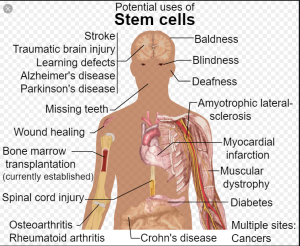
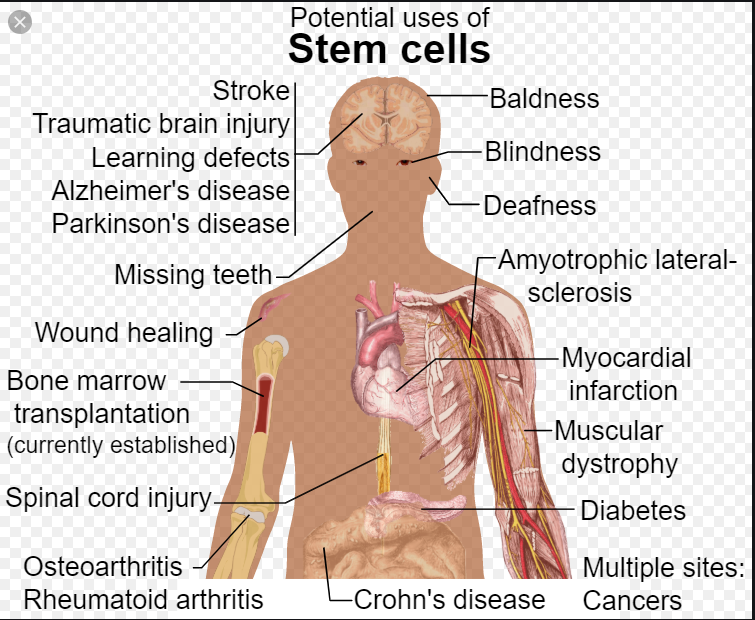
100 diseases that can be treated by stem cells
– Absence Of The Septum Pellucidum
– Acquired Ataxia
– Acquired Epileptiform Aphasia
– Acute Disseminated Encephalomyelitis
– Agenesis Of The Corpus Callosum
– Aicardi Syndrome
– Alzheimer’s
– Amyotrophic Lateral Sclerosis (ALS)
– Angina
– Ataxia
– Autism
– Autoimmune Diseases
– Batten Disease
– Bell’s Palsy
– Bone Fractures
– Brachial Plexus Birth Injuries
– Brachial Plexus Injury
– Brain Conditions/Diseases
– Brain Injury
– Brown-Sequard Syndrome
– Bulbospinal Muscular Atrophy
– Cancer
– Cardiomyopathy
– Cardiovascular (Heart) Diseases
– Carpal Tunnel Syndrome
– Cartilage
– Central Cord Syndrome
– Central Pain Syndrome
– Central Pontine Myelinolysis
– Cerebellar Ataxia Includes Type 6
– Cerebellar Hypoplasia
– Cerebral Atrophy
– Cerebral Hypoxia
– Cerebral Palsy
– Chiari Malformation
– Chronic Inflammatory Demyelinating Polyneuropathy
– Chronic Obstructive Pulmonary Disease (COPD)
– Cirrhosis
– Coma
– Congenital Myopathy
– Congestive Heart Failure
– Coronary Artery Disease
– Crohn’s Disease
– Damage To The Optic Nerve
– Deficiency Syndromes
– Diabetes Type 1
– Diabetes Type 2
– Down’s Syndrome
– Duchenne Muscular Dystrophy
– Early Infantile Epileptic Encephalopathy
– Early Stage Ataxia Telangiectasia
– Emphysema
– Encephalopathy
– Epilepsy
– Erectile Dysfunction
– Erythematosis
– Fanconi’s Anemia
– Gaucher’s Disease
– Glucose Transfer Disorders
– Glycogen Storage Disease
– Guillain-Barre Syndrome
– Heart (Cardiovascular) Diseases
– Hereditary Ataxias
– Hodgkin’s Disease/Lymphoma
– Huntington’s Disease
– Hypertonia
– Hypotonia
– Including Type C
– Infantile Osteopetrosis
– Infantile Spasm
– Inflammatory Bowel Diseases
– Ischemic Optic Neuropathy
– Kennedy’s Disease
– Lack Of Cardiac Mobility
– Landau-Kleffner Syndrome
– Leukemia
– Lissencephaly
– Liver
– Lupus
– Lymphoma
– Machado-Joseph Disease
– Macular Degeneration
– Meningitis And Encephalitis
– Microcephaly
– Motor Neurone Disease
– Multiple Myeloma
– Multiple Sclerosis
– Multisystem Atrophy
– Muscular Dystrophy
– Myelodysplastic Syndrome (MDS)
– Myoclonic Encephalopathy Of Infants
– Myoclonus
– Myopathies
– Neuroinfection
– Neurotoxicity
– Non Hemorragic Brain Vascular Accident
– Non Hodgkin’s Lymphoma
– Ohtahara Syndrome
– Olivopontocerebellar Atrophy
– Optic Atrophy
– Optic Nerve Disorders
– Optic Nerve Hypoplasia
– Osteoarthritis
– Parkinson’s
– Peripheral Artery Disease
– Peripheral Nerve Injuries
– Peripheral Vascular Disease
– Perisylvian.
– Polymicrogyria
– Pompe Disease
– Post-polio Syndrome
– Primary Lateral Sclerosis
– Psoriatic Arthritis
– Pulmonary Fibrosis
– Pulmonary Hypertension
– Rett Syndrome
– Rheumatoid Arthritis
– Schizencephaly
– Septo-Optic Dysplasia
– Severe Aplastic Anemia
– Severe Combined Immune Deficiency (SCID)
– Sickle Cell Anemia
– Spastic Tetraparesis
– Spina Bifida
– Spinal Amiotrophy
– Spinal Cord Injury (SCI)
– Spinal Muscular Atrophy
– Spinocerebellar Atrophy And Spinocerebellar Degeneration
– Stroke
– Systemic Lupus Erythematosus
– Thalassemia
– Transverse Myelitis
– Ulcerative Colitis
– Vascular Diseases
– West Nile Virus
– West Syndrome
– X-Linked Spinal And Bulbar Muscular Atrophy
Please click here for more information.
[:km]
ជម្ងឺផ្សេងៗទៀតដែលព្យាបាលបានដោយស្តឹមសែល
មានជម្ងឺ១០០ប្រភេទដែលអាចព្យាបាលបានដោយស្តឹមសែល។ ជម្ងឺទាំងនោះមានដូចតទៅ៖
– Absence Of The Septum Pellucidum
– Acquired Ataxia
– Acquired Epileptiform Aphasia
– Acute Disseminated Encephalomyelitis
– Agenesis Of The Corpus Callosum
– Aicardi Syndrome
– Alzheimer’s
– Amyotrophic Lateral Sclerosis (ALS)
– Angina
– Ataxia
– Autism
– Autoimmune Diseases
– Batten Disease
– Bell’s Palsy
– Bone Fractures
– Brachial Plexus Birth Injuries
– Brachial Plexus Injury
– Brain Conditions/Diseases
– Brain Injury
– Brown-Sequard Syndrome
– Bulbospinal Muscular Atrophy
– Cancer
– Cardiomyopathy
– Cardiovascular (Heart) Diseases
– Carpal Tunnel Syndrome
– Cartilage
– Central Cord Syndrome
– Central Pain Syndrome
– Central Pontine Myelinolysis
– Cerebellar Ataxia Includes Type 6
– Cerebellar Hypoplasia
– Cerebral Atrophy
– Cerebral Hypoxia
– Cerebral Palsy
– Chiari Malformation
– Chronic Inflammatory Demyelinating Polyneuropathy
– Chronic Obstructive Pulmonary Disease (COPD)
– Cirrhosis
– Coma
– Congenital Myopathy
– Congestive Heart Failure
– Coronary Artery Disease
– Crohn’s Disease
– Damage To The Optic Nerve
– Deficiency Syndromes
– Diabetes Type 1
– Diabetes Type 2
– Down’s Syndrome
– Duchenne Muscular Dystrophy
– Early Infantile Epileptic Encephalopathy
– Early Stage Ataxia Telangiectasia
– Emphysema
– Encephalopathy
– Epilepsy
– Erectile Dysfunction
– Erythematosis
– Fanconi’s Anemia
– Gaucher’s Disease
– Glucose Transfer Disorders
– Glycogen Storage Disease
– Guillain-Barre Syndrome
– Heart (Cardiovascular) Diseases
– Hereditary Ataxias
– Hodgkin’s Disease/Lymphoma
– Huntington’s Disease
– Hypertonia
– Hypotonia
– Including Type C
– Infantile Osteopetrosis
– Infantile Spasm
– Inflammatory Bowel Diseases
– Ischemic Optic Neuropathy
– Kennedy’s Disease
– Lack Of Cardiac Mobility
– Landau-Kleffner Syndrome
– Leukemia
– Lissencephaly
– Liver
– Lupus
– Lymphoma
– Machado-Joseph Disease
– Macular Degeneration
– Meningitis And Encephalitis
– Microcephaly
– Motor Neurone Disease
– Multiple Myeloma
– Multiple Sclerosis
– Multisystem Atrophy
– Muscular Dystrophy
– Myelodysplastic Syndrome (MDS)
– Myoclonic Encephalopathy Of Infants
– Myoclonus
– Myopathies
– Neuroinfection
– Neurotoxicity
– Non Hemorragic Brain Vascular Accident
– Non Hodgkin’s Lymphoma
– Ohtahara Syndrome
– Olivopontocerebellar Atrophy
– Optic Atrophy
– Optic Nerve Disorders
– Optic Nerve Hypoplasia
– Osteoarthritis
– Parkinson’s
– Peripheral Artery Disease
– Peripheral Nerve Injuries
– Peripheral Vascular Disease
– Perisylvian.
– Polymicrogyria
– Pompe Disease
– Post-polio Syndrome
– Primary Lateral Sclerosis
– Psoriatic Arthritis
– Pulmonary Fibrosis
– Pulmonary Hypertension
– Rett Syndrome
– Rheumatoid Arthritis
– Schizencephaly
– Septo-Optic Dysplasia
– Severe Aplastic Anemia
– Severe Combined Immune Deficiency (SCID)
– Sickle Cell Anemia
– Spastic Tetraparesis
– Spina Bifida
– Spinal Amiotrophy
– Spinal Cord Injury (SCI)
– Spinal Muscular Atrophy
– Spinocerebellar Atrophy And Spinocerebellar Degeneration
– Stroke
– Systemic Lupus Erythematosus
– Thalassemia
– Transverse Myelitis
– Ulcerative Colitis
– Vascular Diseases
– West Nile Virus
– West Syndrome
– X-Linked Spinal And Bulbar Muscular Atrophy
សូមចុចទីនេះ សម្រាប់ពត៏មានបន្ថែម[:]
![[:en]Osteoarthritis[:km]ជម្ងឺរលាកសន្លាក់[:]](https://demo.rescennt.com/wp-content/uploads/2020/01/osteoarthritis-of-the-knee.jpg)
by rescent | មករា 10, 2020 | Diseases
[:en]
Stem cells for Osteoarthritis
What is osteoarthritis?
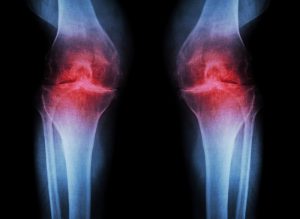 Osteoarthritis is also known as osteoarthrosis, degenerative arthritis, senile arthritis, commonly known as “bone hyperplasia” or “spurs”.
It is mainly due to age, obesity, strain, trauma and other factors caused by degeneration of articular cartilage, joint edge and subchondral bone hyperplasia, clinical manifestations of slow development of joint pain, tenderness and stiffness, joint effusion, joints Swelling, limited joint activity, and joint deformities.
The most influential to the human body is the involvement of the knee joint, which makes it difficult to go up and down the stairs, and the difficulty of squatting. The development will also affect the walking on the ground. It is one of the diseases with the highest disability rate in middle-aged and old people.
Some patients have a frictional or “squeaky” sound when they are active. In severe cases, they may have muscle atrophy and joint deformity. It has caused great inconvenience to the lives of middle-aged and elderly people, and travel has become a luxury. If you use X-rays for the elderly, you will find that the prevalence of osteoarthritis in people over 50 is about 50%, that is, about half of the elderly have osteoarthritis, but it is actually obvious. The symptoms that cause difficulty walking are not that much. The main treatment for this disease is to reduce the weight of the joints and excessive large-scale activities to delay the progression of the disease. Obese patients should lose weight and reduce joint load. When the knee is severe, a crutches or canes can be used to reduce the burden on the joints. There is currently no good medical treatment. Chondroprotective agents such as glucosamine sulfate and diacerein can be tried to control inflammation, but the effect is uncertain. In advanced cases, people with joint deformities and joint dysfunction need surgery. In general, there is currently no good conservative treatment for osteoarthritis.
Stages of osteoarthritis
Osteoarthritis (OA) is divided into five stages. Stage 0 is assigned to a normal, healthy knee. The highest stage, 4, is assigned to severe OA. OA that has become this advanced is likely to cause significant pain and disrupt joint movement.
Stage 0
Stage 0 OA is classified as “normal” knee health. The knee joint shows no signs of OA and the joint functions without any impairment or pain.
Stage 1
A person with stage 1 OA is showing very minor bone spur growth. Bone spurs are boney growths that often develop where bones meet each other in the joint.
Someone with stage 1 OA will usually not experience any pain or discomfort as a result of the very minor wear on the components of the joint.
Stage 2
Stage 2 OA of the knee is considered a “mild” stage of the condition. X-rays of knee joints in this stage will reveal greater bone spur growth, but the cartilage is usually still at a healthy size, i.e. the space between the bones is normal, and the bones are not rubbing or scraping one another.
At this stage, synovial fluid is also typically still present at sufficient levels for normal joint motion.
However, this is the stage where people may first begin experiencing symptoms—pain after a long day of walking or running, greater stiffness in the joint when it’s not used for several hours, or tenderness when kneeling or bending.
Stage 3
Stage 3 OA is classified as “moderate” OA. In this stage, the cartilage between bones shows obvious damage, and the space between the bones begins to narrow. People with stage 3 OA of the knee are likely to experience frequent pain when walking, running, bending, or kneeling.
They also may experience joint stiffness after sitting for long periods of time or when waking up in the morning. Joint swelling may be present after extended periods of motion, as well.
Stage 4
Stage 4 OA is considered “severe.” People in stage 4 OA of the knee experience great pain and discomfort when they walk or move the joint.
That’s because the joint space between bones is dramatically reduced—the cartilage is almost completely gone, leaving the joint stiff and possibly immobile. The synovial fluid is decreased dramatically, and it no longer helps reduce the friction among the moving parts of a joint.
Our Cryo Stem Cell Clinic has orthopedic specialist who has been focused on knee and joint problems by treating with Mesenchymal Stem Cell (MSC).
There are 2 options for the treatment of knee and joint problems with Mesenchymal Stem Cells;
• For Osteoarthritis stage 1, 2 and 3
In these stages, we called mild and moderate stages of OA, we treat the problems by injecting Mesenchymal Stem Cell directly into the affected joints to promote the cartilage regrowth and to reduce the inflammation of the joints.
• For Osteoarthritis stage 4
This is the most severe stage of OA. In this stage, a small part of the bone from the body is taken out and perform the bone to grow cartilage by culturing the bone with stem cells in the laboratory. After the cartilage has grown, the bone is transplanted back to the patient’s knees or joints. This whole procedure is performed by orthopedic specialist and the result is better and faster.
Mesenchymal stem cells (MSCs) can differentiate themselves into bones, tendons and muscles. From this special feature, MSC can be used for knee and joint treatment. By injecting the MSC into the affected area, infection and inflammation in the affected area can be reduced, and bones, tendons and muscles can be reconstructed.
Please click here for more information.
[:km]
ជម្ងឺរលាកសន្លាក់ និង ស្តឹមសែល
តើអ្វីទៅជាជំងឺរលាកសន្លាក់ឆ្អឹង?
ជំងឺរលាកសន្លាក់ឆ្អឹងត្រូវបានគេស្គាល់ផងដែរថាជា ជំងឺឆ្អឹងនិងឆ្អឹងខ្ចីត្រង់សន្លាក់, ជំងឺរលាកសន្លាក់ឆ្អឹងដោយសាការរលាកនិងការបាត់បង់ឆ្អឹងខ្ចី ជំងឺរលាកសន្លាក់ចាស់, ដែលជួនកាលត្រូវបានគេស្គាល់ជាទូទៅថា “ការកើនឡើងចំនួនកោសិការបស់ឆ្អឹងឬហើមឆ្អឹង” ។
ជាទូទៅដោយសារតែអាយុ ភាពធាត់ ការបន្ទាញខ្លាំង ការប៉ះទង្គិច និងកត្តាដទៃទៀតដែលបណ្តាលមកពីការថមថយនៃឆ្អឹងខ្ចី គាមសន្លាក់ រួមនិងការកើនឡើងនៃកោសិកាឆ្ឆ្អឹងស្រទាប់ខាងក្រោម។ រោគសញ្ញាគ្លីនិកបង្ហាញឡើងដោយ ការឈឺសន្លាក់បន្តិចម្តងៗ ការឈឺចាប់សន្លាក់និងគាំងសន្លាក់ មានទឹកដក់ក្នុងសន្លាក់ ការហើមសន្លាក់ មានការថយចុះនៃចលនាសន្លាក់ និងការខូចទ្រង់ទ្រាយសន្លាក់។
ការប៉ះពាល់ដ៏សំខាន់បំផុតចំពោះរាងកាយមនុស្សគឺការឈឺសន្លាក់ជង្គង់ដែលធ្វើឱ្យពិបាកក្នុងការឡើងចុះជណ្តើរនិងការលំបាកក្នុងការអង្គុយ។ ការអភិវឌ្ឍន៍នេះក៏នឹងជះឥទ្ធិពលដល់ការដើរនៅលើដីផងដែរ។ វាគឺជាជំងឺមួយក្នុងចំណោមអត្រាមានពិការភាពខ្ពស់បំផុតក្នុងមនុស្សវ័យកណ្តាលនិងចាស់។
អ្នកជំងឺមួយចំនួនមានសម្លេងកកិតឬ “សម្លេងក្រឹបៗ” នៅពេលពួកគេមានចលនា។ ក្នុងករណីធ្ងន់ធ្ងរពួកគេអាចមានការស្វិតសាច់ដុំនិងខូចទ្រង់ទ្រាយសន្លាក់។ វាបានបណ្តាលឱ្យមានការរំខានយ៉ាងខ្លាំងចំពោះជីវិតរបស់មនុស្សវ័យកណ្តាលនិងមនុស្សចាស់ដែលពួកគាត់ចូលចិត្តធ្វើដំណើរ។ ប្រសិនបើយើងធ្វើការថតដោយប្រើកាំរស្មីអ៊ិចចំពោះមនុស្សចាស់នោះ អ្នកនឹងឃើញថាអត្រានៃជំងឺរលាកសន្លាក់ឆ្អឹងចំពោះមនុស្សដែលមានអាយុលើសពី 50 ឆ្នាំគឺប្រហែល 50% ពោលគឺប្រហែលពាក់កណ្តាលនៃមនុស្សចាស់មានជំងឺរលាកសន្លាក់ឆ្អឹង ប៉ុន្តែតាមការពិតវាច្រើនជាងនេះទៅទៀត។ រោគសញ្ញាដែលបណ្តាលឱ្យពិបាកដើរមិនមានច្រើននោះទេ។ ការព្យាបាលដ៏សំខាន់សម្រាប់ជំងឺនេះគឺដើម្បីការបន្ថយទំងន់ទៅលើសន្លាក់ និងបន្ថយសកម្មភាពហួសប្រមាណ ដើម្បីពន្យាពេលការវិវត្តនៃជំងឺនេះ។ អ្នកជំងឺធាត់គួរសម្រកទម្ងន់និងកាត់បន្ថយទម្ងន់លើសន្លាក់។ នៅពេលជង្គង់មានសភាពធ្ងន់ធ្ងរ ឈើឆ្ពាមឬឈើជ្រាត់ អាចត្រូវបានប្រើដើម្បីកាត់បន្ថយទម្ងន់លើសន្លាក់។ បច្ចុប្បន្នមិនមានការព្យាបាលវេជ្ជសាស្រ្តណាមួយល្អនោះទេ។ ថ្នាំការពារសន្លាក់ ដូចជា glucosamine sulfate និង diacerein អាចត្រូវបានគេព្យាយាមប្រើដើម្បីគ្រប់គ្រងការរលាក ប៉ុន្តែលទ្ធផលគឺមិនច្បាស់លាស់។ នៅក្នុងករណីកម្រិតខ្ពស់អ្នកដែលមានការខូចទ្រង់ទ្រាយសន្លាក់និងខូចមុខងារសន្លាក់ ការព្យាបាលតំរួវអោយមានការវះកាត់។ ជាទូទៅមិនមានការព្យាបាលល្អសម្រាប់ជំងឺរលាកសន្លាក់ឆ្អឹងទេ។
ដំណាក់កាលនៃជំងឺរលាកសន្លាក់ឆ្អឹង
ជំងឺរលាកសន្លាក់ឆ្អឹង (OA) ត្រូវបានបែងចែកជា 5 ដំណាក់កាល។ ដំណាក់កាលទី 0 ត្រូវបានគេចាត់ឱ្យទៅជាជង្គង់ធម្មតាដែលមានសុខភាពល្អ។ ដំណាក់កាលខ្ពស់បំផុតគឺ 4 ត្រូវបានគេកំណត់ឱ្យ OA ធ្ងន់ធ្ងរ។ OA ដែលបានក្លាយទៅជាកម្រិតខ្ពស់នេះទំនងជាធ្វើឱ្យមានការឈឺចាប់យ៉ាងខ្លាំងនិងធ្វើឱ្យរំខានដល់ចលនាសន្លាក់។
ដំណាក់កាលទី 0
ដំណាក់កាល 0 ជំងឺរលាកសន្លាក់ឆ្អឹង ត្រូវបានគេចាត់ទុកថាជាជង្គង់ធម្មតា។ សន្លាក់ជង្គង់បង្ហាញថាគ្មានសញ្ញានៃ ជំងឺរលាកសន្លាក់ឆ្អឹង និងមុខងារសន្លាក់គ្មានការខូចខាតឬការឈឺចាប់ទេ។
ដំណាក់កាលទី 1
មនុស្សដែលមានដំណាក់កាលទី 1 ជំងឺរលាកសន្លាក់ឆ្អឹង កំពុងបង្ហាញពីការលូតលាស់កោសិកាឆ្អឹងតិចតួចណាស់។ ឆ្អឹការលូតលាស់កោសិកាឆ្អឹងគឺជាការរីកលូតលាស់ឆ្អឹងដែលជារឿយៗមានការរីកលូតលាស់ខ្លាំងដែលធ្វើអោយឆ្អឹងជួបគ្នានៅក្នុងសន្លាក់។
នរណាម្នាក់ដែលមានដំណាក់កាលទី 1 ជំងឺរលាកសន្លាក់ឆ្អឹង នឹងមិនមានការឈឺចាប់ឬមិនស្រួលសន្លាក់ទេ ដោយសារតែការរិចរិលតិចតួចទៅលើសមាសធាតុនៃសន្លាក់។
ដំណាក់កាលទី 2
ដំណាក់កាលទី 2 ជំងឺរលាកសន្លាក់ឆ្អឹង នៃជង្គង់ត្រូវបានគេចាត់ទុកថាជាដំណាក់កាល “ស្រាល” នៃជម្ងឺ។ ការថតកាំរស្មីអិច នៃសន្លាក់ជង្គង់នៅក្នុងដំណាក់កាលនេះនឹងបង្ហាញពីការលូតលាស់កោសិកាឆ្អឹងកាន់តែធំប៉ុន្តែឆ្អឹងខ្ចីជាទូទៅនៅមានទំហំដែលមានសុខភាពល្អ ពោលគឺចន្លោះរវាងឆ្អឹងគឺធម្មតានិងឆ្អឹងមិនត្រូវបានត្រដុសឬបំបែកគ្នាទេ។
នៅដំណាក់កាលនេះទឹកសន្លាក់ក៏នៅតែមានវត្តមាននៅកម្រិតគ្រប់គ្រាន់សម្រាប់ចលនាសន្លាក់ធម្មតា។
ទោះជាយ៉ាងណាក៏ដោយនេះគឺជាដំណាក់កាលដែលមនុស្សអាចចាប់ផ្តើមមានរោគសញ្ញានៃការឈឺចាប់ក្រោយពីដើរឬរត់រយៈពេលយូរ, គាំងសន្លាក់កាន់តែខ្លាំងនៅពេលដែលសន្លាក់មិនត្រូវបានប្រើអស់រយៈពេលជាច្រើនម៉ោង ឬឈឺសន្លាក់នៅពេលលុតជង្គង់ឬបត់ជង្គង់។
ដំណាក់កាលទី 3
ដំណាក់កាលទី 3 ជំងឺរលាកសន្លាក់ឆ្អឹង ត្រូវបានគេចាត់ទុកថាជា ជំងឺរលាកសន្លាក់ឆ្អឹង “មធ្យម” ។ ក្នុងដំណាក់កាលនេះឆ្អឹងខ្ចីរវាងឆ្អឹងបង្ហាញពីការខូចខាតជាក់ស្តែងហើយចន្លោះរវាងឆ្អឹងចាប់ផ្តើមចង្អៀត។ អ្នកដែលមានដំណាក់កាលទី 3 ជំងឺរលាកសន្លាក់ឆ្អឹងនៃជង្គង់ទំនងជាធ្លាប់មានការឈឺចាប់ជាញឹកញាប់នៅពេលដើរ, រត់, បត់ ឬលុតជង្គង់។
ពួកគេក៏អាចជួបប្រទះការគាំងសន្លាក់បន្ទាប់ពីអង្គុយយូរឬពេលក្រោកពីព្រលឹម។ ការហើមសន្លាក់អាចមានវត្តមានបន្ទាប់ពីរយៈពេលនៃចលនាផងដែរ។
ដំណាក់កាលទី 4
ដំណាក់កាលទី 4 ជំងឺរលាកសន្លាក់ឆ្អឹង ត្រូវបានគេចាត់ទុកថា ជំងឺរលាកសន្លាក់ឆ្អឹង “ធ្ងន់ធ្ងរ” ។ អ្នកជំងឺនៅដំណាក់កាលទី 4 នៃជំងឺរលាកសន្លាក់ឆ្អឹងនៃជង្គង់មានការឈឺចាប់និងមិនស្រួលនៅពេលពួកគេដើរឬមានចលនាសន្លាក់។
នោះដោយសារតែចន្លោះរួមរវាងឆ្អឹងត្រូវបានកាត់បន្ថយយ៉ាងខ្លាំង – ឆ្អឹងខ្ចីស្ទើរតែបាត់អស់ហើយ ធ្វើអោយឱ្យសន្លាក់រឹង និងអាចធ្វើចលនាបាន។ ទឹកសន្លាក់ត្រូវបានថយចុះយ៉ាងខ្លាំងហើយវាលែងជួយកាត់បន្ថយការកកិតក្នុងចំនោមផ្នែកនៃចលនារបស់សន្លាក់បានទៀតហើយ។
គ្លីនីក Cryo Stem Cell របស់យើងមានអ្នកឯកទេសឆ្អឹងដែលត្រូវបានគេផ្តោតលើបញ្ហាជង្គង់និងសន្លាក់ដោយការព្យាបាលជាមួយកោសិកាដើម (Mesenchymal Stem Cell) ។
មាន 2 ជម្រើសសម្រាប់ការព្យាបាលបញ្ហាជង្គង់និងសន្លាក់ជាមួយកោសិកាដើម Mesenchymal Stem Cells
- 1. ចំពោះជំងឺរលាកសន្លាក់ដំណាក់កាលទី 1 ទី 2 និងទី 3
នៅដំណាក់កាលទាំងនេះយើងហៅថាដំណាក់កាលស្រាល និងមធ្យម នៃ ជំងឺរលាកសន្លាក់ឆ្អឹង យើងព្យាបាលបញ្ហាដោយការចាក់បញ្ចូលកោសិកាដើម (Mesenchymal Stem Cell) ដោយផ្ទាល់ទៅក្នុងសន្លាក់ដែលមានជម្ងឺដើម្បីលើកកម្ពស់ការលូតលាស់ឆ្អឹងខ្ចីនិងកាត់បន្ថយការរលាកសន្លាក់។
- 2. ចំពោះជំងឺរលាកសន្លាក់ឆ្អឹងដំណាក់កាលទី 4
នេះគឺជាដំណាក់កាលធ្ងន់ធ្ងរជាងគេបំផុតរបស់ជំងឺរលាកសន្លាក់ឆ្អឹង។ នៅដំណាក់កាលនេះផ្នែកមួយតូចនៃឆ្អឹងពីរាងកាយត្រូវបានគេយកចេញហើយធ្វើឱ្យឆ្អឹងខ្ចីមានកាលូតលាស់ ដោយការបណ្តុះឆ្អឹងជាមួយកោសិកាដើមនៅក្នុងមន្ទីរពិសោធន៍។ បន្ទាប់ពីឆ្អឹងខ្ចីបានដុះបានល្អហើយ ត្រូវបានដាក់បញ្ចូលទៅជង្គង់ឬសន្លាក់របស់អ្នកជំងឺវិញ។ នីតិវិធីទាំងមូលនេះត្រូវបានអនុវត្តដោយអ្នកឯកទេសខាងឆ្អឹង ហើយលទ្ធផលគឺជាល្អប្រសើរជាងមុននិងលឿនជាងមុន។
Mesenchymal stem cells អាចធ្វើឱ្យមានការលូលាស់ខុសៗគ្នាទៅជា ឆ្អឹង សសៃពួរ និងសាច់ដុំ។ ពីលក្ខណៈពិសេសនេះ Mesenchymal stem cells អាចត្រូវបានប្រើសម្រាប់ការព្យាបាលជង្គង់និងសន្លាក់។ ដោយការចាក់បញ្ចូល Mesenchymal stem cells ទៅក្នុងរាង្គកាយវិញ ការបង្កររោគនិងការរលាកត្រូវបានកាត់បន្ថយហើយ ឆ្អឹង សសៃពួរ និងសាច់ដុំត្រូវបានសាងសង់ឡើងវិញ។
សូមចុចទីនេះ សម្រាប់ពត៌មានបន្ថែម[:]
![[:en]Cancer[:km]ជម្ងឺមហារីកនិងស្តឹមសែល[:]](https://demo.rescennt.com/wp-content/uploads/2020/01/cancer-cells.jpg)
by rescent | មករា 10, 2020 | Diseases
[:en]
Stem cells for Cancer
What is Cancer?
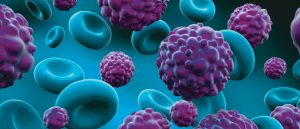 Cancer is the uncontrolled growth of abnormal cells anywhere in a body. These abnormal cells are termed cancer cells, malignant cells, or tumor cells. These cells can infiltrate normal body tissues. Many cancers and the abnormal cells that compose the cancer tissue are further identified by the name of the tissue that the abnormal cells originated from (for example, breast cancer, lung cancer, colon cancer).
What causes the cancer to develop?
Cancer begins in the cells which are the basic building blocks that make up tissue. Tissue is found in the breast and other parts of the body. Sometimes, the process of cell growth goes wrong and new cells form when the body doesn’t need them and old or damaged cells do not die as they should. When this occurs, a build up of cells often forms a mass of tissue called a lump, growth, or tumor.
More dangerous, or malignant, tumors form when two things occur:
• a cancerous cell manages to move throughout the body using the blood or lymphatic systems, destroying healthy tissue in a process called invasion
• that cell manages to divide and grow, making new blood vessels to feed itself in a process called angiogenesis.
When a tumor successfully spreads to other parts of the body and grows, invading and destroying other healthy tissues, it is said to have metastasized. This process itself is called metastasis, and the result is a serious condition that is very difficult to treat.
Individual types of cancer
There are said to be over 200 different types of cancer. We have the following common cancer types;
• Anal cancer
• Bladder cancer
• Bone cancer
• Breast cancer
• Cervical cancer
• Colon cancer
• Colorectal cancer
• Endometrial cancer
• Kidney cancer
• Leukemia
• Liver cancer
• Lymphoma
• Ovarian cancer
• Pancreatic cancer
• Prostate cancer
• Stomach cancer
• Testicular cancer
• Thyroid cancer
• Vaginal cancer
• Vulvar cancer
What are natural killer cells and how do they work?
Natural killer (NK) cells are effector lymphocytes of the innate immune system that control several types of tumors and microbial infections by limiting their spread and subsequent tissue damage. Recent research highlights the fact that NK cells are also regulatory cells engaged in reciprocal interactions with dendritic cells, macrophages, T cells and endothelial cells. NK cells can thus limit or exacerbate immune responses. Although NK cells might appear to be redundant in several conditions of immune challenge in humans, NK cell manipulation seems to hold promise in efforts to improve hematopoietic and solid organ transplantation, promote antitumor immunotherapy and control inflammatory and autoimmune disorders.
Traditional treatment for Cancer includes;
1)Chemotherapy
2)Radiation &
3)Surgery
Our Cryo Stem Cell center provides the followings for the cancer treatment
1)Detection of the total NK cells count and checking of NK cells activity
As the NK cell is the main key to prevent and control from cancer, we can prevent from having cancer by checking them. If the NK cells count lower in your body or has lower NK cells activity, there is high risk of having cancer.
2. NK cells for the treatment of cancer
By using the NK cells to treat the cancer patients in combination with other treatment methods such as chemotherapy, radiation therapy and surgery to achieve better treatment outcomes. As our center has own laboratory where we culture the NK cells to provide the best quality NK cells, so there has better result to treat and control the cancer.
Please click here for more information.
[:km]
ជម្ងឺមហារីកនិងស្តឹមសែល
តើអ្វីជាជំងឺមហារីក?
ជម្ងឺមហារីកគឺជាការរីកលូតលាស់របស់កោសិកាមិនប្រក្រតីដែលមិនអាចគ្រប់គ្រងបាននៅ កន្លែងណាមួយនៃក្នុងរាងកាយ។ កោសិកាមិនធម្មតាទាំងនេះត្រូវបានគេហៅថាកោសិកាមហារីក កោសិកាកាច ឬកោសិកាដុំសាច់។ កោសិកាទាំងនេះអាចជ្រាបចូលទៅក្នុងជាលិការាងកាយធម្មតា។ មហារីកជាច្រើននិងកោសិកាមិនប្រក្រតីដែលបង្កើតជាជាលិកាមហារីកត្រូវបានគេអោយឈ្មោះរបស់វាហៅទៅតាមប្រភពដើម ដែលកោសិកាមិនធម្មតាកើតនៅ (ឧទាហរណ៍មហារីកសុដន់ មហារីកសួតមហារីកពោះវៀនធំ) ។
តើអ្វីដែលបណ្តាលឱ្យកើតមហារីក?
មហារីកចាប់ផ្តើមនៅក្នុងកោសិកាដែលជាប្លុកនៃសរីរាង្គណាមួយ ដែលបង្កើតជាជាលិកា។ កោសិកា ត្រូវបានរកឃើញនៅក្នុងសុដន់និងផ្នែកផ្សេងទៀតនៃរាងកាយ។ ជួនកាលដំណើរការនៃការលូតលាស់របស់កោសិកាខុស ហើយកោសិកាថ្មីបង្កើតនៅពេលដែលរាងកាយមិនត្រូវការវា ហើយកោសិកាចាស់ឬខូចខាតមិនស្លាប់ ដែលធម្មតាកោសិកាទាំងនេះគួរតែស្លាប់។ នៅពេលដែលវាកើតឡើងការបង្កើតកោសិកា ជាញឹកញាប់បង្កើតជាជាលិការដ៏ធំដែលហៅថាដុំ សាច់លូតលាស់ឬដុំសាច់។
មានគ្រោះថ្នាក់ឬក៏មានការកាចសាហាវ នៅពេលមានរឿងពីរកើតឡើង:
- កោសិកាមហារីករាលដាលពាសពេញរាងកាយដោយប្រើប្រព័ន្ធឈាមឬប្រព័ន្ធបង្ហូរទឹករងៃមក បំផ្លាញកោសិកាដែលមានសុខភាពល្អនៅក្នុងដំណើរដែលគេហៅថាការឈ្លានពាន
កោសិកានោះអាចបែងចែកនិងលូតលាស់ បង្កើត សសៃឈាមថ្មីដើម្បីចិញ្ចឹមខ្លួនឯង ដំណើរការមួយហៅថាការបង្កើតសសៃឈាមថ្មី (angiogenesis) ។
• នៅពេលដែលដុំសាច់មួយរីករាលដាលទៅផ្នែកផ្សេងៗនៃរាងកាយហើយលូតលាស់, ការឈ្លានពាននិងការបំផ្លាញជាលិកាដែលមានសុខភាពល្អផ្សេងទៀត, វាត្រូវបានគេនិយាយថាមានការរាលដាល។ ដំណើរការនេះត្រូវបានគេហៅថាការរាលដាលហើយលទ្ធផលគឺជាស្ថានភាពធ្ងន់ធ្ងរដែលពិបាកក្នុងការព្យាបាល។
ប្រភេទមហារីកនីមួយៗ
មានជំងឺមហារីកជាង 200 ប្រភេទ។ នេះជា ប្រភេទជំងឺមហារីកដែលជួបញឹកញាប់
• មហារីករន្ធគូថ
• មហារីកប្លោកនោម
• មហារីកឆ្អឹង
• មហារីកសុដន់
• មហារីកមាត់ស្បូន
• មហារីកពោះវៀនធំ
• ជំងឺមហារីកពោះវៀនធំ រន្ធគូថ
• មហារីកស្បូន
• មហារីកតម្រងនោម
• មហារីកឈាម
• មហារីកថ្លើម
• មហារីកកូនកណ្តុះ
• មហារីកអូវែ
• មហារីកលំពែង
• មហារីកក្រពេញប្រូស្តាត
• មហារីក្រពះ
• មហារីកពងស្វាស
• មហារីកក្រពេញទីរ៉ូអ៊ីដ
• មហារីកទ្វារមាស
• មហារីកយូនី
តើអ្វីទៅជាកោសិកាឃាតករធម្មជាតិ (Natural Killer Cell – NK) ហើយតើពួកគេធ្វើការដោយរបៀបណា?
កោសិកាឃាតករធម្មជាតិ (NK) គឺជាកោសិកាការពាររាង្គកាយ នៃប្រព័ន្ធភាពស៊ាំពីធម្មជាតិដែលគ្រប់គ្រងប្រភេទមួយចំនួននៃដុំសាច់និងការឆ្លងមេរោគដោយគ្រប់គ្រងការឆ្លងរាលដាលនិងការបំផ្លាញជាលិកា។ ការស្រាវជ្រាវថ្មីៗបង្ហាញពីការពិតដែលថាកោសិកា NK ក៏ជាកោសិកានិយ័តកម្មដែលមានទំនាក់ទំនងគ្នាទៅវិញទៅមកជាមួយកោសិការ dendritic, macrophages, T cells និង endothelial cell ។ ដូច្នេះកោសិកា NK អាចកំណត់ឬបង្កើនការឆ្លើយតបរបស់ប្រព័ន្ធភាពស៊ាំ។ ទោះបីជាកោសិកា NK ហាក់ដូចជាមានច្រើនហួសប្រមាណក្នុងលក្ខខ័ណ្ឌជាច្រើននៃបញ្ហាប្រឈមនៃប្រព័ន្ធភាពស៊ាំចំពោះមនុស្សក្តី ការច្នៃប្រឌិតរបស់កោសិកា NK ហាក់ដូចជាមានការសន្យាក្នុងកិច្ចខិតខំប្រឹងប្រែងដើម្បីលើកកម្ពស់ ការបង្ក់តគ្រាប់ឈាម និងការប្តូ សរីរៈរឹង ដើម្បីលើកកម្ពស់ការព្យាបាលដោយប្រើថ្នាំប្រឆាំងនិងដុំសាច់ និងព្យាបាលជំងឺរលាក និងជំងឺអូតូអ៊ុយមីនផ្សេងៗទៀត។
ការព្យាបាលជំងឺមហារីករួមមាន:
1) ថ្នាំគីមី
2) វិទ្យុសកម្ម
3) វះកាត់
មជ្ឈមណ្ឌល Cryo Stem Cell របស់យើងផ្តល់នូវការណែនាំសម្រាប់ការព្យាបាលជំងឺមហារីកដូចតទៅ
- 1. ការរកឃើញនៃចំនួនកោសិកា NK និងត្រួតពិនិត្យសកម្មភាពកោសិកា NK
ដោយកោសិកា NK គឺជាគន្លឹះដ៏សំខាន់ក្នុងការការពារនិងគ្រប់គ្រងជំងឺមហារីក យើងអាចការពារពីការកើតជម្ងឺមហារីកដោយពិនិត្យមើលកោសិកា NK ។ ប្រសិនបើកោសិកា NK មានកំរិតទាបនៅក្នុងរាងកាយរបស់អ្នកឬមានសកម្មភាពកោសិកា NK ទាបវាមានហានិភ័យខ្ពស់នៃការកើតមហារីក។
- 2. ប្រើកោសិកា NK ដើម្បីព្យាបាលជំងឺមហារីក
ដោយប្រើប្រាស់កោសិកា NK ដើម្បីព្យាបាលអ្នកជំងឺមហារីក រួមជាមួយវិធីព្យាបាលផ្សេងៗទៀតដូចជាការព្យាបាលដោយប្រើគីមី ការព្យាបាលដោយកាំរស្មី និងការវះកាត់ ដើម្បីទទួលបានលទ្ធផលព្យាបាលល្អជាងមុន។ ដោយសារមជ្ឈមណ្ឌលរបស់យើងមានមន្ទីរពិសោធន៍ផ្ទាល់ខ្លួនដែលជាកន្លែងយើង យើងអាចបណ្តុះកោសិកា NK ដែលមានគុណភាពល្អបំផុត ដូច្នេះការព្យាបាលរបស់យើងចំពោះ ជំងឺមហារីកមានលទ្ធផលល្អប្រសើរជាង។
សូមចុចត្រង់នេះ សម្រាប់ពត៌មានបន្ថែម។[:]
![[:en]Systemic Lupus Erythematosus[:km]ជម្ងឺ SLE[:]](https://demo.rescennt.com/wp-content/uploads/2020/01/butterfly-rash.jpg)
by rescent | មករា 10, 2020 | Diseases
[:en]
Stem cells for SLE
What is Systemic lupus erythematosus (SLE)?
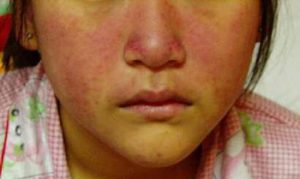 Systemic lupus erythematosus (SLE) is an autoimmune disease involving multiple organs, which is involved in various factors such as heredity, environment, and hormones. What we can see is the appearance of butterfly erythema, discoid erythema on the skin, repeated, multiple oral ulcers, and distressed hair loss. On the other hand, the quietly growing pleural effusion we may not see or feel at the moment, the neoplasms that breed in the heart, the devastated glomeruli, etc., can sometimes be more deadly. Clinical treatment is relatively difficult, and it is prone to occur in young women. The disease is progressive, and recurrence and remission often occur in the course of the disease.
Systemic lupus erythematosus is known as a “chronic cancer” in the private world. It is a worldwide medical problem. It is a common autoimmune inflammatory disease characterized by multiple systemic damage with multiple autoantibodies. The domestic incidence rate is 0.4% – 0.8%. It is more common in women of childbearing age, and children and the elderly can also develop symptoms. The core of its pathogenesis is due to defects and collapse of autoimmune tolerance, limited apoptosis mechanism, leading to disorder of immune regulation, producing a large number of autoantibodies, especially antinuclear antibodies, causing immune complex deposition and cell damage. As a result, chronic inflammatory progressive aggravation of multiple systemic multiple organs can cause considerable mortality and disability.
In the past, the treatment of lupus erythematosus was long-term hormone and drug treatment, but the quality of life of patients was significantly reduced, and it had a heavy economic and mental burden. Long-term use of hormones and immunosuppressive agents have serious toxic side effects, which can aggravate kidney damage or cause uremia, induce digestive tract ulcers, gastrointestinal perforation, bone marrow suppression, hair loss, hemorrhagic cystitis, etc., and even cause serious infections. , fatal complications such as aseptic osteonecrosis.
Stem cells and systemic lupus erythematosus
Stem cells have high self-renewal ability and multi-directional differentiation potential, and have strong tissue repair and immunomodulatory ability. Stem cells have plasticity in immune regulation. According to different types and levels of inflammatory cytokines, stem cells can be expressed in inflammation sites. The ability to immunosuppress or enhance.
Hematopoietic stem cell transplantation for systemic lupus erythematosus
The human immune cells are derived from the development and differentiation of hematopoietic stem cells (HSCs). Hematopoietic stem cell transplantation can cause disease control, decreased antibody titers, and the disease can be relieved in the long term. Stem cells have a variety of immunomodulatory effects, which not only support hematopoietic function, but also inhibit the production of antibodies and repair damaged tissues.
Hematopoietic stem cells (HSC), also known as pluripotent stem cells, are the originator of the hematopoietic system. They have the potential to develop and differentiate into various myeloid cells and lymphocytes, and also have certain self-renewal ability, which can be reconstructed by transplantation. Hematopoietic system and immune system. Since various immune cells, immunoregulatory factors, antibodies, complements, etc. have changed after hematopoietic stem cell treatment, the original immune network and balance have been broken, and a new balance may be reached in the process of immune reconstitution.
The occurrence of the disease is closely related to the abnormal function of the immune cells of the body, and the immune cells are produced by the differentiation of hematopoietic stem cells, so that hematopoietic stem cell transplantation can fundamentally cure the disease.
At our Cryo Stem Cell Center, treatment of systemic lupus erythematosus is divided into two major steps:
• the first step is to stimulate the proliferation of bone marrow hematopoietic stem cells and release it into peripheral blood, then separate the normal hematopoietic stem cells and purify them in vitro.
• the second step is to use a large dose of immunosuppressive agent to completely remove the abnormal immune cells in the body, and then return the first processed hematopoietic stem cells to the patient. Normal hematopoietic stem cells transplanted into the body will rebuild the patient’s immune system after growth and reproduction, thereby achieving the purpose of treating systemic lupus erythematosus. The method can also be used to treat rheumatic diseases such as systemic scleroderma, Sjogren’s syndrome, and rheumatoid arthritis.
Please click here for more information.
[:km]
ជម្ងឺ SLE និង ស្តឹមសែល
តើអ្វីទៅជា Systemic Lupus Erythematosus (SLE)?
ជំងឺ SLE គឺជាជំងឺអូតូអ៊ុយមីនដែលពាក់ព័ន្ធនឹងសរីរាង្គជាច្រើនដែលពាក់ព័ន្ធនឹងកត្តាជាច្រើនដូចជាតំណពូជ បរិស្ថាន និងអរម៉ូន។ អ្វីដែលយើងអាចមើលឃើញគឺការឡោះងកន្ទួលក្រហមរូបរាងដូចមេអំបៅនៅលើស្បែក, ការឡើងកន្ទួលក្រហមមានស្រកានិងមានគែមនៅលើស្បែក(discoid erythema), ដំបៅមាត់ញឹកញាប់និងការជ្រុះសក់។ ម៉្យាងទៀតការមានទឹកក្នុងស្រោមសួតដែលលូតលាស់យឺត ៗ យើងប្រហែលជាមិនឃើញឬមានអារម្មណ៍នៅពេលនេះទេ ការរីកលូតលាស់នៃជាលិកាថ្មីដែលបង្កឡើងនៅក្នុងបេះដូងជម្ងឺ ការខូចធ្ងន់ធ្ងរនៃសាច់តំរងនោម ជួនកាលអាចបង្ករអោយស្លាប់បាន។ ការព្យាបាលដោយគ្លីនិកគឺពិបាកណាស់ហើយវាងាយនឹងកើតឡើងចំពោះស្ត្រីវ័យក្មេង។ ជំងឺនេះមានភាពវិវិត្តទៅមុខជាបន្តបន្តាប់ ហើយការកើតមានឡើងវិញជារឿយៗកើតឡើងក្នុងកំឡុងពេលនៃការវិវត្តជំងឺនេះ។
ជម្ងឺ SLE ត្រូវបានគេស្គាល់ថាជា “ជំងឺមហារីករ៉ាំរ៉ៃ” នៅក្នុងពិភពឯកជន។ វាគឺជាបញ្ហាវេជ្ជសាស្ត្រទូទាំងពិភពលោក។ វាគឺជាជំងឺរលាកដោយសារប្រព័ន្ធការពាររាង្គកាយប្រឆាំងខ្លួនឯង ដែលបង្ហាញឡើងដោយការខូចខាតប្រព័ន្ធការពាររាង្គកាយជាច្រើន។ អត្រាកើតជម្ងឺក្នុងប្រទេសប្រហែល 0,4% – 0,8% ។ វាច្រើនកើតមានចំពោះស្ត្រីក្នុងវ័យមានកូន ហើយកុមារនិងមនុស្សចាស់ក៏អាចមានរោគសញ្ញាដែរ។ ស្នូលនៃធាតុបង្កជំងឺរបស់វាគឺដោយសារតែភាពមិនប្រក្រតីនិងការដួលរលំនៃប្រព័ន្ធស្វ័យប្រវត្តិ យន្តការនៃការស្លាប់កោសិកាទៅតាមការកំណត់ មានកម្រិត នាំទៅរកភាពមិនប្រក្រតីនៃការគ្រប់គ្រងប្រព័ន្ធភាពស៊ាំដែលផលិតចំនួនច្រើននៃអង្គទីគរការពាររាង្គកាយ (autoantibodies) ជាពិសេសអង់ទីករប្រឆាំងនឹងនុយក្លេអ៊ែរដែលបណ្តាលឱ្យមានភាពស្មុគស្មាញនៃប្រព័ន្ធភាពស៊ាំនិងការខូចខាតកោសិកា។ ជាលទ្ធផល មានការរលាករ៉ាំរ៉ៃ ដែលធ្វើអោយមានការប៉ះពាល់ដល់សរីរាង្គជាច្រើន អាចបណ្តាលឱ្យមានអត្រាមរណៈភាពនិងពិការភាពខ្ពស់។
កាលពីមុនការព្យាបាលជម្ងឺ SLE គឺជាការព្យាបាលអរម៉ូនរនិងថ្នាំព្យាបាលរយះពេលវែង ប៉ុន្តែគុណភាពនៃជីវិតរបស់អ្នកជំងឺត្រូវបានថយចុះគួរឱ្យកត់សម្គាល់ហើយវាមានបន្ទុកផ្នែកសេដ្ឋកិច្ចនិងផ្លូវចិត្តធ្ងន់។ ការប្រើអ័រម៉ូននិងថ្នាំធ្វើអោយភាពស៊ាំចុះខ្សោយ នឹងថ្នាំមានផលប៉ះពាល់យ៉ាងធ្ងន់ធ្ងរដែលអាចធ្វើឱ្យខូចតម្រងនោមឬបណ្តាលអោយមានជំងឺអ៊ុយទ្រាមបង្កឱ្យរលាកបំពង់រំលាយអាហាររលាកក្រពះពោះវៀនការខួរឆ្អឹងខ្នងការបាត់បង់សក់ជំងឺរលាកសួតជាដើម។ ។ , ផលវិបាកធ្ងន់ធ្ងរដូចជាការរលាកសន្លាក់ឆ្អឹង។
កោសិកាដើមនិង SLE
កោសិកាដើមមានសមត្ថភាពបង្កើតឡើងវិញដោយខ្លួនឯងនិងសក្តានុពលភាពខុសគ្នានៃពហុទិសហើយមានការជួសជុលជាលិកាខ្លាំងនិងសមត្ថភាពការពារប្រពន្ធ័ការភាពស៊ាំ។ កោសិកាដើមមានភាពបត់បែនក្នុងការការពារប្រព័ន្ធភាពស៊ាំ។ កោសិកាដើមអាចបង្ហាញក្នុងកន្លែងរលាកអាស្រ័យលើប្រភេទនិងកម្រិតនៃការរលាក cytokines ។ សមត្ថភាពក្នុងការធ្វើឱ្យមានភាពស៊ាំថយចុះឬធ្វើអោយប្រសើរឡើង។
ការចាក់បញ្ចូលកោសិកាដើមសម្រាប់ជំងឺ SLE
កោសិកាភាពស៊ាំរបស់មនុស្សត្រូវបានមកពីការអភិវឌ្ឍនិងការបំបែកខ្លួននៃកោសិកាដើមពីកោសិកាឈាម (hematopoietic stem cells-HSCs) ។ ការចាក់បញ្ចូលស្តឹមសែល(កោសិកាដើម)អាចបណ្តាលឱ្យមានការទប់ស្កាត់ជំងឺ ការថយចុះកម្រិតអង់ទីគ័រ ហើយធ្វើជំងឺនេះអាចត្រូវបានធូរស្រាលក្នុងរយៈពេលវែង។ កោសិកាដើមមានប្រសិទ្ធភាពក្នុងការការពារប្រព័ន្ធភាពស៊ាំ (immunomodulatory) ជាច្រើនដែលមិនត្រឹមតែគាំទ្រដល់មុខងាររបស់ កោសិការឈាមមិនទាន់ពេញវ័យប៉ុណ្ណោះទេថែមទាំងជួយទប់ស្កាត់ការផលិតអង្គបដិប្រាណនិងជួសជុលជាលិកាដែលខូច។
hematopoietic stem cells (HSC) ដែលត្រូវបានគេស្គាល់ថា Pluripotent stem cells គឺជាប្រភពដើមនៃប្រព័ន្ធ hematopoietic ។ ពួកគេមានសក្តានុពលក្នុងការអភិវឌ្ឍនិងខុសប្លែកគ្នាទៅជាកោសិកា myeloid និង lymphocytes ផ្សេងៗ ហើយក៏មានសមត្ថភាពបង្កើតដោយខ្លួនឯងផងដែរដែលអាចត្រូវបានកសាងឡើងវិញដោយការចាក់បញ្ចូលស្តឹមសែល។
ប្រព័ន្ធ Hematopoietic និងប្រព័ន្ធភាពស៊ាំ។ ដោយកោសិកាអង្គបដិបក្ខច្រើនខុសៗគ្នា កត្តាការពាររាងកាយ អង្គបដិបក្ខ ការបំពេញបន្ថែម។ ល។ បានផ្លាស់ប្តូរបន្ទាប់ពីការព្យាបាលដោយចាក់បញ្ចូលស្តឹមសែល ប្រព័ន្ធការពាររាងកាយដើមនិងតុល្យភាពត្រូវបានខូច ហើយតុល្យភាពថ្មីមួយអាចត្រូវបានឈានដល់ក្នុងដំណើរការនៃការបង្កើតប្រព័ន្ធភាពស៊ាំឡើងវិញ។
ការកើតមានជំងឺនេះជាប់ទាក់ទងយ៉ាងជិតស្និទ្ធទៅនឹងមុខងារខុសធម្មតានៃកោសិកាភាពស៊ាំនៃរាងកាយហើយកោសិកាភាពស៊ាំត្រូវបានបង្កើតឡើងដោយការផ្លាស់ប្តូរនៃកោសិកាស្តឹមសែល ដូច្នេះការបញ្ចូលកោសិកាស្តឹមសែល អាចជាមូលហេតុព្យាបាលជំងឺអោយជាសះស្បើយ។
នៅមជ្ឈមណ្ឌល Cryo Stem Cell របស់យើងការព្យាបាលជម្ងឺ Lupus Eerythematosus ត្រូវបានបែងចែកជាពីរដំណាក់កាលសំខាន់ៗគឺ:
- 1. ជំហានទីមួយគឺជំរុញខួរឆ្អឹងដើម្បីផលិតស្តឹមសែល ហើយបញ្ចេញវាទៅចរន្តឈាមខាងក្រៅ បន្ទាប់មកបំបែកកោសិកាស្តឹមសែលពីកោសិកាធម្មតានិងធ្វើការចំរាញ់ស្តឹមសែលនៅក្នុងម៉ាសីន។
2. ជំហានទី 2 គឺត្រូវប្រើថ្នាំដែលធ្វើអោយប្រព័ន្ធការពាររាង្គកាយចុះខ្សោយដើម្បីលុបកោសិកាភាពស៊ាំមិនធម្មតាចេញពីរាងកាយហើយបន្ទាប់មកចាក់បញ្ចូលស្តឹមសែលដែលផលិតបានចូលទៅក្នុងខ្លួនអ្នកជំងឺវិញ។ ការចាក់បញ្ចូលស្តឹមសែលទៅក្នុងរាង្គកាយរបស់អ្នកជំងឺ នឹងកសាងប្រព័ន្ធការពាររាងកាយរបស់អ្នកជំងឺឡើងវិញ បន្ទាប់មកកោសិកាដើមត្រូវបានបង្កើតឡើងវិញនិងរីកលូតលាស់បានល្អ ដូចនេះវាធ្វើអោយបានសម្រេចបាននូវគោលបំណងនៃការព្យាបាលជំងឺ lupus erythhematosus នេះ។ វិធីសាស្រ្តនេះក៏អាចត្រូវបានប្រើសម្រាប់ព្យាបាលជំងឺរលាកសន្លាក់ដូចជាជំងឺ systemic scleroderma, Sjogren’s syndrome, and rheumatoid arthritis.
សូមចុចត្រង់នេះ សម្រាប់ពត៌មានបន្ថែម។[:]
![[:en]Autism[:km]ជម្ងឺ Autism[:]](https://demo.rescennt.com/wp-content/uploads/2020/01/Autism.jpg)
by rescent | មករា 10, 2020 | Diseases
[:en]
Stem cells for Autism
What is autism?
 Autism is a group of neurodevelopmental disorders whose incidence has reached epidemic proportions. The causes of autism are unclear and their performances are different, but their pathological mechanisms are concentrated in two main aspects: blood perfusion in some areas of the brain and inflammatory reactions of immune abnormalities. These pathological changes in specific parts correspond to corresponding clinical symptoms.
Stem cell treatment for autism
Stem Cell treatment for Autism is a new and effective method for treating autism based on the pluripotent properties of stem cells, which regulate the body’s digestive system, immune system, and restore damaged cells and tissues. Autism is one of five pervasive developmental disorders (PDDs) that are classified as a developmental disorder caused by a nervous system disorder that includes abnormal social skills, communication skills, interests and behavior patterns.
Possible improvements in autistic children after stem cell therapy:
- Improve the patient’s ability to digest and improve appetite and appetite;
- Establish normal relationships. Patients can communicate through eye contact. Improve communication with children, eye contact and attention have also improved;
- Patients have more normal behavior;
- Reduce the patient’s fear of strangers, colorful affairs, etc.;
- Reduced symptoms of language communication disorders. His vocabulary can be enhanced. Non-verbal children begin to voice and speak, and speech children increase vocabulary;
- Improve the ability to write;
- Improve patient self-care ability;
- Improve memory and attention.
Children have different levels of improvement, but each post-treatment report has the improvements listed above.
The main purpose of stem cell therapy is to trigger brain development and help children develop the skills they need most, such as communication skills, self-care skills, learning and professional skills.
Our Cryo stem cell center provides stem cell transplantation for autism. Stem cell transplantation have a positive impact on body organs and systems, first benefiting the patient’s brain. The brain of autistic patients is responsible for memory and concentration. The areas with incomplete development and stem cell treatment can help restore hematopoietic function, improve cerebral blood flow, replace damaged neuron, and promote the formation of new blood vessels.
Stem cell therapy is an effective and safe way to treat autism and can help children with autism and children with autism spectrum disorders to varying degrees. The sooner you start doing the treatment, the better.
Please click here for more information.
[:km]
ជម្ងឺ Autism និងស្តឹមសែល
តើអ្វីទៅជាជំងឺ Autism?
ជំងឺ Autism គឺជំងឺនៃការវិវត្តមិនធម្មតានៃ ប្រព័ន្ធសរសៃប្រសាទដែលជាឧប្បត្តិហេតុដែលបានឈានដល់សមាមាត្ររីករាលដាល។ មូលហេតុនៃ Autism គឺមិនច្បាស់លាស់និងរោគសញ្ញា របស់ពួកគេគឺខុសគ្នា ប៉ុន្តែយន្ដការជំងឺរបស់ពួកគេត្រូវបានប្រមូលផ្តុំក្នុងទិដ្ឋភាពសំខាន់ពីរគឺ លំហួរឈាមក្នុងផ្នែកមួយចំនួននៃខួរក្បាលនិងប្រតិកម្មរលាកនៃភាពមិនធម្មតានៃភាពស៊ាំ។ ការផ្លាស់ប្តូរផ្នែកជំងឺទាំងនេះនៅក្នុងផ្នែកជាក់លាក់គឺទាក់ទងនិង រោគសញ្ញាគ្លីនិក។
ការព្យាបាលកោសិកាដើមសម្រាប់ជំងឺ Autism
ការព្យាបាលកោសិកាដើមសម្រាប់ជំងឺ Autism គឺជាវិធីសាស្រ្តថ្មីនិងប្រសិទ្ធភាពក្នុងការព្យាបាលជំងឺ Autismដោយផ្អែកលើលក្ខណៈសម្បត្តិនៃកោសិកាដើមដែលគ្រប់គ្រងប្រព័ន្ធរំលាយអាហារ ប្រព័ន្ធការពាររាងកាយនិងការជួសជុលកោសិកានិងជាលិកាដែលខូច។ ជំងឺ Autism គឺជាជំងឺមួយក្នុងចំណោមបញ្ហាវិវត្តន៍ទាំង 5 (PDDs) ដែលត្រូវបានគេចាត់ទុកថាជាជំងឺវិបត្ដិនៃការលូតលាស់ ដែលបណ្តាលមកពីវិបត្តិ ប្រព័ន្ធសរសៃប្រសាទដែលរួមមានដូចជា ទំនាកើទំនងសង្គមមិនធម្មតា ជំនាញការប្រាស្រ័យទាក់ទងចំណាប់អារម្មណ៍និងអាកប្បកិរិយា។
ភាពប្រសើរឡើងចំពោះកុមារដែលមានជំងឺ Autism បន្ទាប់ពីការព្យាបាលដោយកោសិកាដើម:
– កែលម្អសមត្ថភាពរបស់អ្នកជំងឺក្នុងការរំលាយនិងកែលម្អចំណង់អាហារនិងចំណង់អាហារ។
– បង្កើតទំនាក់ទំនងធម្មតា។ អ្នកជំងឺអាចទំនាក់ទំនងតាមរយៈភ្នែក។ ធ្វើឱ្យ ប្រសើរឡើងនូវទំនាក់ទំនងជាមួយកុមារ ការទាក់ទងភ្នែក និងការយកចិត្តទុកដាក់ក៏មានការរីកចំរើនផងដែរ។
– អ្នកជំងឺមានអាកប្បកិរិយាធម្មតាច្រើន។
– កាត់បន្ថយការភ័យខ្លាចរបស់អ្នកជំងឺចំពោះអ្នកដែលមិនសូវស្គាល់, កិច្ចការពណ៌ស្រស់ឆើតឆាយ, ល។
_ បន្ថយរោគសញ្ញានៃការប្រាស្រ័យទាក់ទងតាមភាសា។ វាក្យស័ព្ទរបស់គាត់អាចត្រូវបានពង្រឹង។ ក្មេងៗដែលមិនចេះនិយាយភាសា ចាប់ផ្តើមបញ្ចេញសំលេងនិងនិយាយ និង ការនិយាយកុមារចេះបង្កើនពាក្យបានច្រើន។
– បង្កើនសមត្ថភាពសរសេរ។
– កែលម្អសមត្ថភាពនៃការថែទាំដោយខ្លួនឯងរបស់អ្នកជំងឺ;
– បង្កើនការចងចាំនិងការយកចិត្តទុកដាក់។
កុមារមានកម្រិតនៃភាពប្រសើរឡើងខុសៗគ្នា ប៉ុន្តែរបាយការណ៍ក្រោយការព្យាបាលនីមួយៗមានការរីកចំរើននូវអាការដែលបានរៀបរាប់ខាងលើ។
គោលបំណងចម្បងនៃការព្យាបាលកោសិកាដើមគឺដើម្បីជំរុញការអភិវឌ្ឍខួរក្បាលនិងជួយកុមារអភិវឌ្ឍជំនាញដែលពួកគេត្រូវការបំផុតដូចជាជំនាញទំនាក់ទំនង ជំនាញការថែទាំខ្លួនឯង ការរៀន និងជំនាញវិជ្ជាជីវៈ។
មជ្ឈមណ្ឌល Cryo stem cell របស់យើងផ្តល់នូវការព្យាបលដោយកោសិកាដើម សំរាប់អ្នកជំងឺ Autism ។ ការព្យាបលដោយកោសិកាដើមមានឥទ្ធិពលវិជ្ជមានលើសរីរាង្គនិងប្រព័ន្ធរាងកាយដំបូងដែលផ្តល់ផលប្រយោជន៍ដល់ខួរក្បាលរបស់អ្នកជំងឺ។ ខួរក្បាលនៃអ្នកជំងឺ Autism គឺទទួលខុសត្រូវចំពោះការចងចាំនិងការប្រមូលផ្តុំ។ តំបន់ដែលមានការអភិវឌ្ឍមិនពេញលេញនិងការព្យាបាលកោសិកាដើមអាចជួយធ្វើឱ្យមុខងាររបស់សារធាតុផលិតគ្រាប់ឈាម ប្រសើរឡើងវិញ លំហូរឈាមទៅកាន់ខួរក្បាល ជំនួសកោសិកាឃួរក្បាលដែលខូច និងលើកកម្ពស់ការបង្កើតសរសៃឈាមថ្មី។
ការព្យាបាលកោសិកាដើមគឺជាវិធីមានប្រសិទ្ធភាពនិងសុវត្ថិភាពក្នុងការព្យាបាលជំងឺAutism និងអាចជួយកុមារដែលមានជំងឺAutism និងកុមារដែលមានជំងឺសរសៃប្រសាទផ្សេង ៗគ្នា។ ការឆាប់ចាប់ផ្តើមធ្វើការព្យាបាលកាន់តែលឿន លទ្ធផលនៃការព្យាបាលកាន់តែប្រសើឡើង។
សូមចុចត្រង់នេះ សម្រាប់ពត៌មានបន្ថែម។[:]
![[:en]Heart Diseases[:km]ជម្ងឺបេះដូង និង ស្តឹមសែល[:]](https://demo.rescennt.com/wp-content/uploads/2020/01/Heart-diseases.jpg)
by rescent | មករា 9, 2020 | Diseases
[:en]
Stem cells for Heart Diseases
What is Heart Failure?
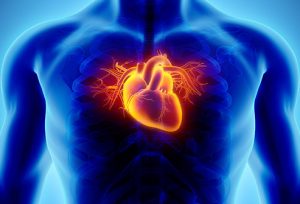
Heart failure is a condition in which the heart is not able to pump enough blood throughout the body for its normal function. The cause of this can be either functional or structural disorder of the heart. Common causes of heart failure include cardiomyopathy, hypertension, heart valve problems and coronary artery disease. There is no cure for heart failure.
Types of Heart Failure
Heart failure is divided into many different types, but when classified according to the duration of symptoms, heart failure falls into one of two categories:
• Acute heart failure – Acute heart failure refers to cases in which new heart failure symptoms develop rapidly and in a short period of time. Acute heart failure may also refer to cases in which symptoms of previous heart failure have stabilized, but have later returned and become more severe in a short period of time.
• Chronic heart failure – When the doctor physical examination for chronic heart failure, they are looking to find out whether the patient’s symptoms and/or abnormalities in heart function have been present for an extended period of time.
Symptoms of Heart Failure
Heart failure produces symptoms and other complications when the amount of blood being pumped from the heart is insufficient in meeting the demands of the rest of the body. Symptoms may also arise due to excess salt and fluid retention.
Common symptoms of heart failure include:
• Shortness of breath (which is a key symptom of heart failure). Patients may also experience exhaustion during physical activity, fatigue, difficulty breathing or coughing when lying down, and may wake during the night due to shortness of breath.
• Patients may develop fatigue and muscle cramps when there is a reduced amount of blood reaching the muscles, making it difficult to carry out daily routines.
• Swelling may develop due to fluid and salt retention, which usually occurs around the legs and ankles. Additionally, heart failure patients may also develop fluid retention in the lungs, liver, or large intestine. Fluid retention can also occur in the abdominal cavity, causing discomfort, pain, and bloating of the abdomen.
Can stem cells help to treat heart failure?
With respect to the heart, stem cells have the ability to not only home into the damaged areas but also to initiate a cascade of biological events which both culminate in healing of the heart muscle. For example, animal studies have demonstrated that stem cell therapy will cause new muscle cells to be formed through stimulation of dormant stem cells that are already inside the heart muscle. In these studies, the administered stem cell also transformed into new heart muscle cells.
Which types of stem cells are used to treat heart failure and how are they collected?
At Cryo stem cell center, patients with different kinds of heart diseases use peripheral blood stem cell treatment. Since haemopoietic stem cells, mesenchymal stem cells, endothelial progenitor cells and natural killer cells can be obtained from peripheral blood and these cells can repair and renew the damaged blood vessels, cardiac muscle and increase the elasticity of the blood vessel wall. In this way, we can solve the different problems of the heart. Stem cells treatment is safe for any age and it can be undergone before or after the heart surgery.
Please click here for more information.
[:km]
ជម្ងឺបេះដូង និង ស្តឹមសែល
តើអ្វីទៅជាជំងឺខ្សោយបេះដូង?
ជំងឺខ្សោយបេះដូងគឺជាស្ថានភាពមួយដែលបេះដូងមិនអាចច្របាច់ឈាមបានគ្រប់គ្រាន់ទៅចិញ្ចឹមខ្លួនប្រាណសម្រាប់មុខងារធម្មតារបស់វា។ មូលហេតុបណ្តាលមកពី ការខូចមុខងារ ឬរចនាសម្ព័ន្ធនៃបេះដូង។ មូលហេតុទូទៅនៃជំងឺខ្សោយបេះដូងរួមមានជំងឺសាច់ដុំបេះដូង, ជំងឺលើសឈាម, ជំងឺប្រឹសបេះដូងនិងជំងឺសរសៃឈាមបេះដូង។ មិនមានការព្យាបាលអោយជាសម្រាប់ជំងឺខ្សោយបេះដូងនោះទេ។
ប្រភេទនៃជំងឺខ្សោយបេះដូង
ជំងឺខ្សោយបេះដូងត្រូវបានបែងចែកទៅជាប្រភេទផ្សេងៗគ្នាជាច្រើន ប៉ុន្តែនៅពេលដែលត្រូវបានចាត់ថ្នាក់តាមរយៈពេលនៃរោគសញ្ញា, ជំងឺខ្សោយបេះដូងនឹងធ្លាក់ចូលទៅក្នុងប្រភេទមួយក្នុងចំណោមពីរប្រភេទ:
ជំងឺខ្សោយបេះដូងស្រួចស្រាវ – ជំងឺខ្សោយបេះដូងស្រួចស្រាវសំដៅទៅលើករណីដែលរោគសញ្ញានៃជំងឺខ្សោយបេះដូងកើតឡើងយ៉ាងឆាប់រហ័សនិងក្នុងរយៈពេលខ្លី។ ជំងឺខ្សោយបេះដូងស្រួចស្រាវក៏អាចសំដៅលើករណីដែលរោគសញ្ញានៃជំងឺខ្សោយបេះដូងពីមុនមានលំនឹង ប៉ុន្តែក្រោយមកបានវិលត្រឡប់មកកាន់តែធ្ងន់ធ្ងរក្នុងរយៈពេលខ្លី។
ជំងឺខ្សោយបេះដូងរ៉ាំរ៉ៃ – នៅពេលគ្រូពេទ្យពិនិត្យជំងឺ ជំងឺខ្សោយបេះដូងរ៉ាំរ៉ៃ ពួកគេកំពុងស្វែងរកថាតើរោគសញ្ញានិង / ឬភាពមិនប្រក្រតីនៃមុខងារបេះដូងមានវត្តមានក្នុងរយៈពេលយូរដែរឬទេ។
រោគសញ្ញានៃជំងឺខ្សោយបេះដូង
ជំងឺខ្សោយបេះដូងបង្កើតអោយមានរោគសញ្ញានិងផលវិបាកដទៃទៀតនៅពេលបរិមាណឈាមដែលត្រូវបានច្របាច់ចេញពីបេះដូងគឺមិនគ្រប់គ្រាន់ដើម្បីបំពេញតាមតម្រូវការរបស់រាងកាយទាំងមូល។ រោគសញ្ញាអាចកើតមានឡើងដោយសារតែអំបិលលើសនិងការចាល់ជាតិទឹក។
រោគសញ្ញាទូទៅនៃជំងឺខ្សោយបេះដូងរួមមាន:
- ហត់ (ដែលជារោគសញ្ញាសំខាន់នៃជំងឺខ្សោយបេះដូង) ។ អ្នកជំងឺក៏អាចមានភាពអស់កម្លាំងផងដែរក្នុងអំឡុងពេលហាត់ប្រាណអស់កម្លាំងពិបាកដកដង្ហើម ឬក្អកនៅពេលគេង និងអាចភ្ញាក់ក្នុងពេលយប់ដោយសារតែពិបាកដកដង្ហើម។
• អ្នកជំងឺអាចអស់កំលាំងនិងរមួលសាច់ដុំនៅពេលមានឈាមថយចុះលំហូរឈាមទៅកាន់សាច់ដុំ ធ្វើឱ្យពិបាកក្នុងការអនុវត្តទម្លាប់ប្រចាំថ្ងៃ។
• ការហើមអាចកើតមានឡើងដោយសារតែការចាល់ជាតិទឹកនិងអំបិលដែលជាធម្មតាកើតឡើងនៅជុំវិញជើងនិងកជើង។ បន្ថែមលើនេះអ្នកជំងឺដែលមានជំងឺខ្សោយបេះដូងក៏អាចចាល់ទឹកនៅក្នុងសួត ថ្លើម ឬពោះវៀនធំផងដែរ។ ការចាល់ជាតិទឹកក៏អាចកើតឡើងនៅក្នុងប្រហោងពោះបណ្តាលឱ្យមិនស្រួលក្នុងពោះ ឈឺពោះ និងហើមពោះ។
តើស្តឹមសែលអាចជួយព្យាបាលជំងឺខ្សោយបេះដូងបាន?
ចំពោះបេះដូង កោសិកាដើម(ស្តឹមសែល)មានសមត្ថភាពមិនត្រឹមតែចូលទៅក្នុងតំបន់ដែលខូចខាតនោះទេប៉ុន្តែថែមទាំងបង្កើតឱ្យមានព្រឹត្ដិការណ៍ជីវវិទ្យាជាច្រើនដែលជាកំពូលនៃការព្យាបាលសាច់ដុំបេះដូង។ ឧទាហរណ៍ការស្រាវជ្រាវលើសត្វបានបង្ហាញថាការព្យាបាលដោយកោសិកាដើមអាចបណ្តាលឱ្យកោសិកាសាច់ដុំថ្មីបង្កើតឡើងតាមរយៈការរំញោចនៃកោសិកាដើមសំងំស្ងៀមដែលមាននៅក្នុងសាច់ដុំបេះដូង។ នៅក្នុងការសិក្សាទាំងនេះកោសិកាដើមត្រូវបានផ្លាស់ប្តូរទៅជាកោសិកាសាច់ដុំបេះដូងថ្មី។
តើកោសិកាដើមណាខ្លះត្រូវបានប្រើដើម្បីព្យាបាលជំងឺខ្សោយបេះដូងនិងរបៀបដែលកោសិកាដើមផលិត?
នៅមជ្ឈមណ្ឌល Cryo stem cell អ្នកជំងឺដែលមានប្រភេទផ្សេងៗនៃជំងឺបេះដូងប្រើការព្យាបាលកោសិកាដើមផលិតពីឈាមខ្លួនឯង។ ដោយសារ haemopoietic stem cells, mesenchymal stem cells, endothelial progenitor cells and natural killer cells អាចទទួលបានពីការផលិតស្តឹមសែលពីឈាមយើង ហើយកោសិកាទាំងនេះអាចជួសជុលនិងបន្តសរសៃឈាមឡើងវិញ សាច់ដុំបេះដូង និងបង្កើនភាពបត់បែននៃជញ្ជាំងសរសៃឈាម។ តាមរបៀបនេះយើងអាចដោះស្រាយបញ្ហាផ្សេងៗនៃបេះដូង។ ការព្យាបាលកោសិកាដើមគឺមានសុវត្ថិភាពសម្រាប់គ្រប់អាយុហើយវាអាចធ្វើនៅមុនឬក្រោយការវះកាត់បេះដូង។
សូមចុចត្រង់នេះ សម្រាប់ពត៌មានបន្ថែម។[:]
![[:en]Asthma[:km]ជម្ងឺហឺត និង ស្តឹមសែល[:]](https://demo.rescennt.com/wp-content/uploads/2020/01/Asthma.jpg)
by rescent | មករា 9, 2020 | Diseases
[:en]
Stem cells for Asthma
What is Asthma?

Asthma is a chronic disease that affects your airways. Your airways are tubes that carry air in and out of your lungs. If you have asthma, the inside walls of your airways become sore and swollen. That makes them very sensitive, and they may react strongly to things that you are allergic to or find irritating. When your airways react, they get narrower and your lungs get less air. This can cause wheezing, coughing, chest tightness, and trouble breathing, especially early in the morning or at night.
When your asthma symptoms become worse than usual, it’s called an asthma attack. In a severe asthma attack, the airways can close so much that your vital organs do not get enough oxygen. People can die from severe asthma attacks.
Who Gets Asthma?
People get asthma because of an interaction between the environment in which they live and the genes they inherit.
Allergies: Most people with asthma have allergies. Your response to allergens—proteins from common materials like house dust mites, cockroaches, and pollens—may cause the inflammation that leads to asthma symptoms. Researchers are studying methods for reducing allergen levels to prevent inflammation. For example, many inner-city children are allergic to cockroaches and experience severe asthma. Reducing cockroach allergens and tobacco smoke in inner-city homes may help.
Environment: Researchers now suspect that susceptibility to asthma develops very early in life. A pregnant woman’s cigarette smoking, exposures to allergens, and diet may play a role. Children’s exposures to allergens and respiratory infections during the first three years of life may make them more likely to develop asthma.
Genetics: Genes also play a role in the development of asthma. Researchers are studying families in different ethnic and geographic communities to identify which genes are related to asthma. Genetic studies have also revealed differences in the ways patients respond to medications. Understanding the genetics of asthma should provide clues to preventing the disease and help physicians select the most effective treatments for individual patients.Asthma affects an estimated 300 million people worldwide and caused 250,000 deaths in 2009.
Mesenchymal stem cells have the commonality of stem cells for self-replication and differentiation, and can be used as seed cells for a variety of tissue engineering. Mesenchymal stem cells can differentiate into lung, tracheal, muscle, nerve, blood vessels and other directions at different stages of development and under specific environmental conditions.
Therapeutic mechanism of mesenchymal stem cells
1. Mesenchymal stem cells can be customized and differentiated into damaged tissue cells.
2. Mesenchymal stem cells improve disease by mitochondrial metastasis and promotion of endogenous stem cell proliferation and chemotaxis.
3. Mesenchymal stem cells have immunomodulatory effects and mediate immunosuppression by secreting soluble factors and small molecule chemicals.
Airway inflammation allows the mesenchymal stem cells to be recruited and colonized in the damaged airway epithelium:
-Mesenchymal stem cells relieve airway inflammation by regulating the balance of Th1 / Th2;
-Mesenchymal stem cells regulate airway inflammation by direct or indirect regulation of airway inflammation;
-Mesenchymal stem cells can suppress the immune response of immune cells through a series of soluble factors, reduce or even terminate the inflammatory inflammation of airway inflammation;
-Mesenchymal stem cells can inhibit airway inflammation by up-regulating CD4 + CD25 + regulatory T cells.
Our Cryo Stem Cell center provides the best quality of stem cells by using the stem cells from your peripheral blood (autologous stem cell transplantation).
Please click here for more information.
[:km]
ជម្ងឺហឺត និង ស្តឹមសែល
តើជំងឺហឺតគឺជាអ្វី?
ជំងឺហឺតគឺជាជំងឺរ៉ាំរ៉ៃដែលប៉ះពាល់ដល់ផ្លូវដង្ហើមរបស់អ្នក។ ផ្លូវដង្ហើមរបស់អ្នកគឺជាបំពង់ដែលផ្ទុកខ្យល់ចូលនិងចេញពីសួតរបស់អ្នក។ ប្រសិនបើអ្នកមានជំងឺហឺតជញ្ជាំងផ្នែកខាងក្នុងនៃផ្លូវដង្ហើមរបស់អ្នកនឹងឈឺនិងហើម។ វាធ្វើឱ្យពួកគេងាយស្រួលឈឺ ហើយពួកគេ មានប្រតិកម្មយ៉ាងខ្លាំងចំពោះអ្វីដែលអ្នកមានអាលែកហ្សីជាមួយ ឬក៏ងាយមានរលាក ។ នៅពេលដែលផ្លូវដង្ហើមរបស់អ្នកមានប្រតិកម្ម, ធ្វើអោយផ្លូវដង្ហើមរួមតូច ហើយសួតរបស់អ្នកនឹងមានខ្យល់ចូលតិច។ នេះអាចបណ្តាលឱ្យមានសំលេងដកដង្ហើមចូលដូចហួច ក្អក ណែនទ្រូងនិងពិបាកដកដង្ហើមជាពិសេសពេលព្រលឹមឬពេលយប់។
នៅពេលរោគសញ្ញានៃជំងឺហឺតរបស់អ្នកកាន់តែធ្ងន់ធ្ងរជាងធម្មតាវាត្រូវបានគេហៅថាជំងឺហឺតវាយលុក។ ក្នុងករណី ជំងឺហឺតវាយលុកធ្ងន់ធ្ងរផ្លូវដង្ហើមអាចបិទយ៉ាងខ្លាំងដែលសរីរាង្គសំខាន់របស់អ្នកមិនទទួលបានអុកស៊ីសែនគ្រប់គ្រាន់។ មនុស្សអាចស្លាប់ដោយសារជំងឺហឺតវាយលុកធ្ងន់ធ្ងរ។
តើនរណាដែលទទួលជំងឺហឺត?
មនុស្សកើតជម្ងឺហឺតដោយសារមានទំនាក់ទំនងរវាងបរិស្ថានដែលពួកគេរស់នៅនិងហ្សែនដែលពួកគេទទួលមរតក។
អាឡែស៊ីៈ មនុស្សភាគច្រើនដែលមានជំងឺហឺតមានអាឡែស៊ី។ ការឆ្លើយតបរបស់អ្នកចំពោះអាឡែរហ្សី – ប្រូតេអ៊ីនពីវត្ថុធាតុដើមទូទៅដូចជា ផេះ ធូលី សត្វកន្លាត លំអងផ្កា អាចបណ្តាលអោយរលាកដែលនាំឱ្យមានរោគសញ្ញានៃជំងឺហឺត។ ក្រុមអ្នកស្រាវជ្រាវកំពុងសិក្សាពីវិធីកាត់បន្ថយកម្រិតអាឡែរហ្សីដើម្បីការពារការរលាក។ ជាឧទាហរណ៍ក្មេងៗក្នុងទីក្រុងជាច្រើនមានប្រតិកម្មនឹងសត្វកន្លាតនិងមានជំងឺហឺតធ្ងន់ធ្ងរ។ ការកាត់បន្ថយសារធាតុដែលបង្ករអោយមានអាឡែហ្សី និងផ្សែងបារីក្នុងផ្ទះ អាចជួយបាន។
បរិស្ថាន: ឥឡូវនេះក្រុមអ្នកស្រាវជ្រាវបានសង្ស័យថាភាពងាយនឹងកើតជម្ងឺហឺតនឹងកើតមានលឿននៅក្នុងជីវិត។ ការជក់បារីរបស់ស្ត្រីមានផ្ទៃពោះ ការប៉ះពាល់នឹងសារធាតុដែលបង្ករអោយមានអាឡែរហ្សីនិងរបបអាហារអាចដើរតួនាទីមួយក្នុងការកើតមានជំងឺហឺត។ ការប្រឈមមុខរបស់កុមារចំពោះអាឡឺហ្សីនិងការរលាក ផ្លូវដង្ហើមក្នុងអំឡុងពេលបីឆ្នាំដំបូងនៃជីវិតអាចធ្វើឱ្យពួកគេកាន់តែវិវត្តទៅជាជំងឺហឺត។
ពន្ធុវិទ្យា: ហ្សែនក៏ដើរតួក្នុងការវិវត្តនៃជំងឺហឺតផងដែរ។ ក្រុមអ្នកស្រាវជ្រាវកំពុងសិក្សាពីក្រុមគ្រួសារនៅតាមពូជសាសន៏ផ្សេងៗគ្នា និងភូមិសាស្ត្រផ្សេងៗដើម្បីកំណត់ពីហ្សែនដែលទាក់ទងទៅនឹងជំងឺហឺត។ ការស្រាវជ្រាវពីហ្សែនបានបង្ហាញពីភាពខុសគ្នានៅក្នុងវិធីដែលអ្នកជំងឺឆ្លើយតបចំពោះការព្យាបាល។ ការយល់ដឹងអំពីហ្សែននៃជំងឺហឺតគួរតែផ្តល់នូវតម្រុយដើម្បីបង្ការជំងឺនេះហើយជួយគ្រូពេទ្យជ្រើសរើសវិធីព្យាបាលដែលមានប្រសិទ្ធិភាពបំផុតសម្រាប់អ្នកជំងឺម្នាក់ៗ។ ជំងឺហឺតប៉ះពាល់ដល់មនុស្សប្រមាណជា 300 លាននាក់នៅទូទាំងពិភពលោកហើយបណ្តាលឱ្យមនុស្សស្លាប់ 250.000 នាក់ក្នុងឆ្នាំ 2009 ។
Mesenchymal stem cells មានកោសិកាដើមរួមសម្រាប់ចម្លងតាមខ្លួនឯងនិងធ្វើការផ្លាស់ប្តូរជាកោសិការផ្សេងៗ ហើយអាចត្រូវបានប្រើជាកោសិកាគ្រាប់ពូជកោសិកាសម្រាប់វិស្វកម្មជាលិកាផ្សេងៗ។
Mesenchymal stem cells អាចបំបែកខ្លួននៅក្នុងសួត បំពង់ខ្យល់ សាច់ដុំ សរសៃឈាម សរសៃប្រសាទ និងទិសដទៃទៀតនៅដំណាក់កាលផ្សេងៗគ្នា នៃការអភិវឌ្ឍនិងក្រោមលក្ខខណ្ឌបរិស្ថានជាក់លាក់។
យន្តការព្យាបាលដោយ Mesenchymal stem cells
1. Mesenchymal stem cells អាចត្រូវបានផ្លាស់ប្ដូរទៅជាកោសិកាតាមបំណងហើយទៅជំនួសកោសិកាដែលខូច។
2. Mesenchymal stem cells ជួយធ្វើឱ្យជំងឺកាន់តែប្រសើរឡើងតាមរយៈការរាលដាលនៃមីតូកុងទ្រី និងការលើកកម្ពស់ការរីកលូតលាស់នៃកោសិកាដើម និងការប្រឆាំងការបង្ករជំងឺ។
3. Mesenchymal stem cells មានឥទ្ធិពលប្រឆាំងនឹងរោគសញ្ញានិងសម្រុះសម្រួលភាពស៊ាំដោយការបញ្ចេញកត្តារលាយនិងសារធាតុគីមីម៉ូលេគុលតូចៗ។
ការរលាកផ្លូវដង្ហើមអនុញ្ញាតឱ្យ mesenchymal stem cells ត្រូវបានជ្រើសរើសនិងធ្វើអាណានិគមក្នុងជាលិកាផ្លូវដង្ហើមដែលខូច
◆Mesenchymal stem cells ជួយបន្ថយការរលាកអាការៈតាមការកំណត់តុល្យភាពនៃ Th1 / Th2;
◆Mesenchymal stem cells គ្រប់គ្រងការរលាកផ្លូវដង្ហើមដោយការកំណត់ដោយផ្ទាល់ឬដោយប្រយោលនៃការរលាកផ្លូវដង្ហើម។
◆Mesenchymal stem cells អាចទប់ស្កាត់ការឆ្លើយតបនៃប្រព័ន្ធភាពស៊ាំនៃកោសិកាអង្គបដិបក្ខតាមរយៈកត្តារលាយជាបន្តបន្ទាប់ កាត់បន្ថយឬអាចបញ្ចប់ការរលាកនៃការរលាកផ្លូវដង្ហើម។
◆Mesenchymal stem cells អាចទប់ស្កាត់ការរលាកផ្លូវដង្ហើមដោយកោសិកា T CD4 + CD T Cells ដែលមាននិយ័តឡើង។
មជ្ឈមណ្ឌល Cryo Stem Cell របស់យើងផ្តល់នូវគុណភាពល្អបំផុតនៃកោសិកាដើមដោយប្រើកោសិកាដើមពីឈាមរបស់អ្នក (ការផ្លាស់ប្តូរកោសិកាដើម) ។
សូមចុចត្រង់នេះ សម្រាប់ពត៌មានបន្ថែម។[:]
![[:en]Erectile Dysfunction[:km]អសមត្ថភាពផ្លូវភេទនិងស្តឹមសែល[:]](https://demo.rescennt.com/wp-content/uploads/2020/01/erectile-dysfunction.jpg)
by rescent | មករា 9, 2020 | Diseases
[:en]
Stem cells for Erectile Dysfunction
How stem cell to erectile dysfunction
What is erectile dysfunction?

Erectile dysfunction (ED) is a condition where a man has difficulty getting or maintaining an erection to engage in sexual intercourse. It is a prevailing health problem that can seriously impact the quality of life for both partners in an intimate relationship
Symptoms
Erectile dysfunction symptoms might include persistent:
• Trouble getting an erection
• Trouble keeping an erection
• Reduced sexual desire
Causes
Male sexual arousal is a complex process that involves the brain, hormones, emotions, nerves, muscles and blood vessels. Erectile dysfunction can result from a problem with any of these. Likewise, stress and mental health concerns can cause or worsen erectile dysfunction.
Sometimes a combination of physical and psychological issues causes erectile dysfunction. For instance, a minor physical condition that slows your sexual response might cause anxiety about maintaining an erection. The resulting anxiety can lead to or worsen erectile dysfunction.
In many cases, erectile dysfunction is caused by something physical. Common causes include:
• Heart disease
• Clogged blood vessels (atherosclerosis)
• High cholesterol
• High blood pressure
• Diabetes
• Obesity
• Metabolic syndrome — a condition involving increased blood pressure, high insulin levels, body fat around the waist and high cholesterol
• Parkinson’s disease
• Multiple sclerosis
• Certain prescription medications
• Tobacco use
• Alcoholism and other forms of substance abuse
• Sleep disorders
• Treatments for prostate cancer or enlarged prostate
• Surgeries or injuries that affect the pelvic area or spinal cord
The brain plays a key role in triggering the series of physical events that cause an erection, starting with feelings of sexual excitement. A number of things can interfere with sexual feelings and cause or worsen erectile dysfunction. These include:
• Depression, anxiety or other mental health conditions
• Stress
• Relationship problems due to stress, poor communication or other concerns
Risk factors
As you get older, erections might take longer to develop and might not be as firm. You might need more direct touch to your penis to get and keep an erection.
Various risk factors can contribute to erectile dysfunction, including:
• Medical conditions,particularly diabetes or heart conditions
• Tobacco use,which restricts blood flow to veins and arteries, can — over time — cause chronic health conditions that lead to erectile dysfunction
• Being overweight,especially if you’re obese
• Certain medical treatments,such as prostate surgery or radiation treatment for cancer
• Injuries,particularly if they damage the nerves or arteries that control erections
• Medications,including antidepressants, antihistamines and medications to treat high blood pressure, pain or prostate conditions
• Psychological conditions,such as stress, anxiety or depression
• Drug and alcohol use,especially if you’re a long-term drug user or heavy drinker
Complications
Complications resulting from erectile dysfunction can include:
• An unsatisfactory sex life
• Stress or anxiety
• Embarrassment or low self-esteem
• Relationship problems
• The inability to get your partner pregnant
What are stem cells and how do they work for erectile dysfunction?
Stem cells are naturally occurring cells in the body that help to create new cells in existing healthy tissues. They also help repair tissues that are injured or damaged. They are the basis for the specific cell types that make up each organ in the body. Stem cells are distinguished from other cells by a few important characteristics:
• they have the ability to self-renew and they have the ability to divide for a long period of time
• under appropriate conditions, they can differentiate into other specialized cells including heart cells, liver cells, bone cells, cartilage cells, nerve cells and other cells.
Stem Cell Procedure for ED
Stem cells are cells found in every part of the body. These cells function as regenerative and repair cells in our bodies, replacing damaged cells and repairing injured tissues.
At Cryo Stem Cell center, we use mesenchymal stem cells which have been culture within our own laboratory to rejuvenate, to repair and to regenerate the penile tissues, by injecting Mesenchymal stem cells intramuscularly.
Please click here for more information.
[:km]
អសមត្ថភាពផ្លូវភេទនិងស្តឹមសែល
ការព្យាបាលដោយស្តឹមសែលចំពោះអសមត្ថភាពផ្លូវភេទ
អសមត្ថភាពផ្លូវភេទ កំណត់ដោយអសមត្ថភាពផ្លូវភេទចំពោះបុរសនៅពេលការឡើងរឹងរបស់លិង្គមិនមានសមត្ថភាពឬមានសមត្ថភាពគ្រប់គ្រាន់ក្នុងការរួមភេទ។ មូលហេតុជាទូទៅគឺទាក់ទងនឹងជំងឺទឹកនោមផ្អែម, ជំងឺលើសឈាម, ជំងឺបេះដូងនិងកូឡេស្តេរ៉ុលដែលជារឿយៗប៉ះពាល់លើសរសៃឈាមនិងសរសៃប្រសាទដែលផ្គត់ផ្គង់ដល់លិង្គ។ ដំណោះស្រាយដ៏ល្អបំផុតគឺដើម្បីជួសជុលសរសៃឈាមនិងសរសៃប្រសាទដែលអាចធ្វើបានតែតាមរយៈកោសិកាដើម (Stem Cells) ប៉ុណ្ណោះ។
ជំងឺទឹកនោមផ្អែម
ការព្យាបាលជម្ងឺទឹកនោមផ្អែមជាទូទៅអាចទទួលការព្យាបាលដោយស្តឹមសែលបាន។ មូលហេតុចំបងគឺដោយសារតែវាមិនបង្កឱ្យមានការឈឺចាប់ធ្ងន់ធ្ងរចំពោះអ្នកជំងឺនោះទេ។ ភាគច្រើននៃអ្នកជំងឺមិនមានភាពច្របូកច្របល់ក្នុងការប្រមូលជាតិស្ករនៅក្នុងចរាចរឈាមរហូតដល់សរសៃឈាមសរសៃប្រសាទនិងសរីរៈរួមទាំងលិង្គត្រូវបានបំផ្លាញ។ ហេតុដូច្នេះ, ហានិភ័យលើជំងឺលិង្គងាប់ចំពោះអ្នកជំងឺទឹកនោមផ្អែមគឺខ្ពស់ជាង 4 ដងច្រើនជាងគ្រោះថ្នាក់ដទៃ។
ជំងឺដែលមានសម្ពាធឈាមខ្ពស់
ចំពោះអ្នកជំងឺដែលមានសម្ពាធឈាមខ្ពស់ជាទូទៅត្រូវបានគេរកឃើញថាមានភាពស្វិតស្វាញ, មិនអាចបត់បែនបាន, តូចចង្អៀតឬសូម្បីតែស្ទះខ្លះដែលបណ្តាលឱ្យឈាមរត់មិនល្អនៅក្នុងឈាម។ នេះក៏ជាឧបសគ្គនៅលើការធ្វើដំណើរឈាមទៅលិង្គផងដែរ។
អ្នកជំងឺដែលមានជំងឺបេះដូងនិងកូលេស្តេរ៉ុលខ្ពស់
អ្នកជំងឺដែលមានជំងឺបេះដូងនិងកូលេស្តេរ៉ុលខ្ពស់ក៏មានឈាមរត់មិនល្អ។ សមត្ថភាពក្នុងការធ្វើដំណើរទៅកាន់លិង្គទៅកាន់លិង្គក៏ពិបាកដែរ។
ជំងឺទាំងអស់ខាងលើគឺទាំងលទ្ធផលនៃចរាចរមិនល្អឬជំងឺគឺជាមូលហេតុនៃចរាចរមិនល្អ។ តាមរបៀបអ្វីដែលជំងឺប៉ះពាល់ដល់រាងកាយប៉ុន្តែមូលហេតុនៃការងាប់លិង្គកើតចេញពីកាលៈទេសៈដូចគ្នា។ បង្កើនគុណភាពឈាមដើម្បីឱ្យការផ្គត់ផ្គង់ឈាមទៅតំបន់ពិសេស។ ការព្យាបាលត្រូវផ្តោតលើការធ្វើឱ្យប្រសើរឡើងនៃវាយនភាពឈាមនិងសរសៃឈាម។ ធ្វើឱ្យប្រសើរឡើងនៃវាយនភាពឈាមដោយកាត់បន្ថយកម្រិតជាតិស្ករនិងកូលេស្តេរ៉ុល។ ការជួសជុលសរសៃឈាមគឺជាកាតព្វកិច្ចដ៏សំខាន់មួយនៃស្តឹមសែល (PBSC) ដែលអាចធ្វើឱ្យសរសៃឈាមចុះខ្សោយនិងបង្កើនភាពបត់បែនរបស់វា។
ចំពោះការកែលម្អប្រសើរជាងមុនមានការស្រាវជ្រាវដែលបង្ហាញពីការសម្តែង MSC ត្រូវបាននាំមកផងដែរដើម្បីបង្កើននិងបង្កើនសាច់ដុំសរសៃប្រសាទសរសៃប្រសាទនិងសរសៃប្រសាទឡើងវិញ។
រោគសញ្ញា៖
រោគសញ្ញាងាប់លិង្គអាចរួមមានៈ
- វិបត្តិការឡើងរឹងរបស់លិង្គ
- វិបត្តិការរក្សាការឡើងរឹងរបស់លិង្គ
- ចំណង់ផ្លូវភេទថយចុះ
មូលហេតុ៖
សម្រើបផ្លូវភេទបុរសគឺជាដំណើរការស្មុគស្មាញមួយដែលពាក់ព័ន្ធនឹងខួរក្បាល អរម៉ូន អារម្មណ៍ សរសៃប្រសាទ សាច់ដុំនិង សសៃឈាម។ ការងាប់លិង្គអាចបណ្តាលមកពីបញ្ហាណាមួយនៃបញ្ហាទាំងនេះ។ ដូចគ្នានេះដែរស្ត្រេសនិងកង្វល់ពីសុខភាពផ្លូវចិត្តអាចបណ្តាលឱ្យងាប់លិង្គងាប់កាន់តែធ្ងន់ធ្ងរ។
ជួនកាលការរួមបញ្ចូលគ្នានៃបញ្ហារាងកាយនិងផ្លូវចិត្តបណ្តាលឱ្យងាប់លិង្គ។ ឧទាហរណ៍ស្ថានភាពរាងកាយបន្តិចបន្តួចដែលធ្វើឱ្យការឆ្លើយតបផ្លូវភេទរបស់អ្នកយឺតអាចបណ្តាលឱ្យមានការថប់បារម្ភក្នុងការរក្សាការឡើងរឹងរបស់លិង្គ។ ការថប់បារម្ភជាលទ្ធផលអាចបណ្តាលឱ្យមានបញ្ហាងាប់លិង្គកាន់តែអាក្រក់ទៅ ៗ ។
ក្នុងករណីជាច្រើនការងាប់លិង្គបណ្តាលមកពីរាងកាយ។ មូលហេតុទូទៅរួមមាន៖
- ជម្ងឺបេះដូង
- ជម្ងឺក្រិនសសៃឈាម
- ឡើងជាតិខ្លាញ់
- លើសឈាម
- ជម្ងឺទឹកនោមផ្អែម
- ជម្ងឺធាត់
- រោគសញ្ញាមេតាប៉ូលីស – ជាជម្ងឺទាក់ទងនឹងការកើនឡើងសម្ពាធឈាម កម្រិតអាំងស៊ុយលីនខ្ពស់ ខ្លាញ់ក្នុងខ្លួនជុំវិញចង្កេះ និងកូលេស្តេរ៉ុលខ្ពស់
- ជំងឺប៉ាគិនសុន
- ជំងឺក្រិនច្រើនកន្លែង
- ថ្នាំដែលមានវេជ្ជបញ្ជាខ្លះ
- ការប្រើប្រាស់ថ្នាំជក់
- ការសេពសុរានិងទម្រង់ផ្សេងៗទៀតនៃការប្រើគ្រឿងញៀន
- វិបត្តិដំណេក
- ការព្យាបាលជំងឺមហារីកក្រពេញប្រូស្តាតឬក្រពេញប្រូស្តាតរីកធំ
- ការវះកាត់ឬរបួសដែលប៉ះពាល់ដល់ឆ្អឹងអាងត្រគៀកឬខួរឆ្អឹងខ្នង
ខួរក្បាលដើរតួនាទីយ៉ាងសំខាន់ក្នុងការបង្កឱ្យមានព្រឹត្តិការណ៍រាងកាយជាបន្តបន្ទាប់ដែលបណ្តាលឱ្យមានការឡើងរឹងរបស់លិង្គ ដោយចាប់ផ្តើមពីអារម្មណ៍រំជើបរំជួលផ្លូវភេទ។ មានបញ្ហាជាច្រើនដែលអាចរំខានដល់អារម្មណ៍ផ្លូវភេទនិងមូលហេតុឬធ្វើអោយងាប់លិង្គកាន់តែអាក្រក់ទៅ ៗ ។ មូលហេតុទាំងនោះរួមមាន៖
- ជំងឺធ្លាក់ទឹកចិត្ត ការថប់បារម្ភឬ ស្ថានភាពសុខភាពផ្លូវចិត្តផ្សេងទៀត
- ស្ត្រេស
- បញ្ហាទំនាក់ទំនងដោយសារភាពតានតឹងការប្រាស្រ័យទាក់ទងមិនល្អឬការព្រួយបារម្ភផ្សេងៗ
កត្តាហានិភ័យ៖
នៅពេលអ្នកកាន់តែចាស់ ការឡើងរឹងរបស់លិង្គអាចចំណាយពេលយូរដើហើយប្រហែលជាមិនសូវរឹងមាំទេ។ អ្នកប្រហែលជាត្រូវការការប៉ះផ្ទាល់របស់លិង្គរបស់អ្នកដើម្បីទទួលនិងរក្សាការឡើងរឹងរបស់លិង្គ។
កត្តាហានិភ័យផ្សេងៗអាចជួយដល់ការងាប់លិង្គរួមមាន៖
- ស្ថានភាពសុខភាពជាពិសេសជំងឺទឹកនោមផ្អែមឬជំងឺបេះដូង
- ការប្រើថ្នាំជក់ដែលរឹតបន្តឹងលំហូរឈាមទៅកាន់សរសៃឈាមនិងសរសៃឈាមអាចបណ្តាលឱ្យមានស្ថានភាពសុខភាពរ៉ាំរ៉ៃដែលនាំឱ្យមានការងាប់លិង្គ។
- លើសទម្ងន់ជាពិសេសប្រសិនបើអ្នកធាត់
- ការព្យាបាលតាមបែបវេជ្ជសាស្ត្រមួយចំនួនដូចជាការវះកាត់ក្រពេញប្រូស្តាតឬការព្យាបាលដោយកាំរស្មីសម្រាប់ជំងឺមហារីក
- ការរងរបួសជាពិសេសប្រសិនបើវាធ្វើឱ្យខូចសរសៃប្រសាទឬសរសៃឈាមដែលគ្រប់គ្រងការឡើងរឹងរបស់លិង្គ
- ការប្រើថ្នាំរួមមានថ្នាំប្រឆាំងនឹងជំងឺធ្លាក់ទឹកចិត្ត ថ្នាំប្រឆាំងនឹងអ៊ីស្តាមីននិង ថ្នាំដើម្បីព្យាបាលជំងឺលើសឈាម ថ្នាំបំបាត់ការឈឺចាប់ឬព្យាបាលជំងឺក្រពេញប្រូស្តាត។
- ស្ថានភាពផ្លូវចិត្តដូចជាភាពតានតឹងការថប់បារម្ភឬការធ្លាក់ទឹកចិត្ត។
- ការប្រើប្រាស់គ្រឿងញៀននិងគ្រឿងស្រវឹងជាពិសេសប្រសិនបើអ្នកជាអ្នកប្រើប្រាស់ថ្នាំយូរឬ អ្នកផឹកស្រាច្រើន។
ផលវិបាក
ផលវិបាកដែលបណ្តាលមកពីការងាប់លិង្គអាចរួមមាន៖
- ជីវិតផ្លូវភេទដែលមិនពេញចិត្ត
- ភាពតានតឹងឬការថប់បារម្ភ
- ភាពអៀនខ្មាស់ឬការគោរពខ្លួនឯងចុះទាប
- វិបត្តិទំនាក់ទំនង
- អសមត្ថភាពក្នុងការធ្វើអោយដៃគូរបស់អ្នកមានផ្ទៃពោះ
តើស្តឹមសែលមានអ្វីខ្លះហើយតើវាដំណើរការយ៉ាងដូចម្តេចចំពោះការងាប់លិង្គ?
ស្តឹមសែលគឺជាកោសិកាកើតឡើងនៅក្នុងធម្មជាតិដែលជួយបង្កើតកោសិកាថ្មីនៅក្នុងជាលិកាដែលមានសុខភាពល្អ។ ពួកគេក៏ជួយជួសជុលជាលិកាដែលរងរបួសឬខូចខាតផងដែរ។ ពួកវាជាមូលដ្ឋានសម្រាប់ប្រភេទកោសិកាជាក់លាក់ដែលបង្កើតជាសរីរាង្គនីមួយៗនៅក្នុងខ្លួន។
ស្តឹមសែលមានលក្ខណៈខុសពីកោសិកាផ្សេងទៀតដោយលក្ខណៈសំខាន់ៗមួយចំនួន៖
- ពួកគេមានសមត្ថភាពបន្តដោយខ្លួនឯងហើយពួកគេមានសមត្ថភាពបែងចែកសំរាប់រយៈពេលយួរ។
- ស្ថិតក្រោមល័ក្ខខ័ណ្ឌសមស្របពួកគេអាចបែងចែកទៅជាកោសិកាឯកទេសផ្សេងទៀតរួមមាន កោសិកាបេះដូង កោសិកាថ្លើម កោសិកាឆ្អឹង កោសិកាឆ្អឹងខ្ចី កោសិកាប្រសាទនិងកោសិកាផ្សេងទៀត។
នីតិវិធីនៃការប្រើស្តឹមសែលសម្រាប់លិង្គងាប់៖
ស្តឹមសែលគឺជាកោសិកាដែលត្រូវបានរកឃើញនៅគ្រប់ផ្នែកនៃរាងកាយ។ កោសិកាទាំងនេះមានមុខងារបង្កើតឡើងវិញនិងជួសជុលកោសិកានៅក្នុងខ្លួនរបស់យើងជំនួសកោសិកាដែលខូចនិងជួសជុលជាលិកាដែលរងរបួស។
នៅCryo Stem Cell យើងប្រើ mesenchymal stem cells ដែលបណ្តុះនៅក្នុងមន្ទីរពិសោធន៍ផ្ទាល់ខ្លួន ដើម្បីធ្វើឱ្យមានភាពស្រស់ថ្លា ជួសជុលនិងបង្កើតជាលិកាលិង្គឡើងវិញតាមរយៈការចាក់បញ្ចូល mesenchymal stem cells តាមសាច់ដុំ។
សូមចុចត្រង់នេះ សម្រាប់ព៌មានបន្ថែម។[:]